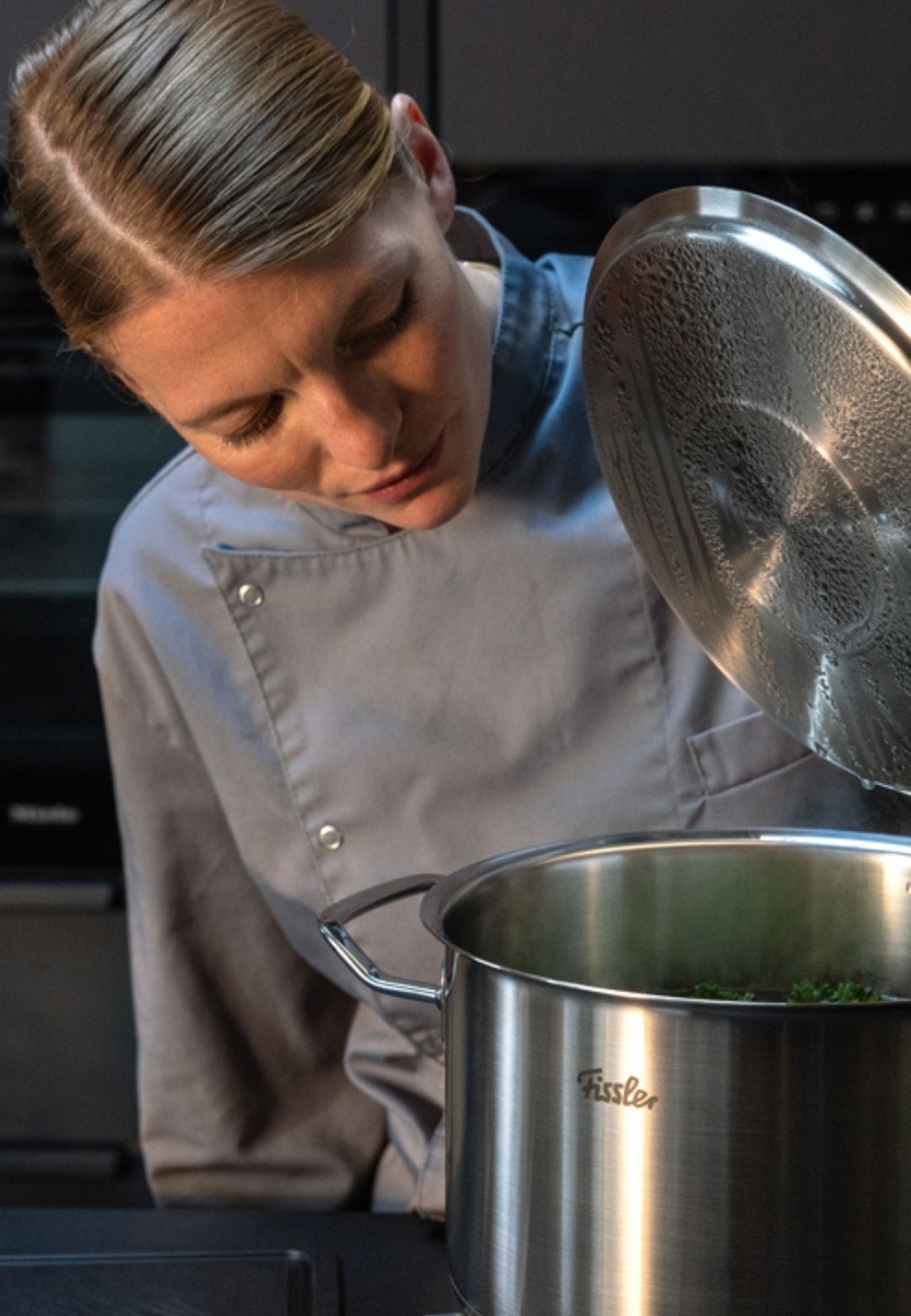
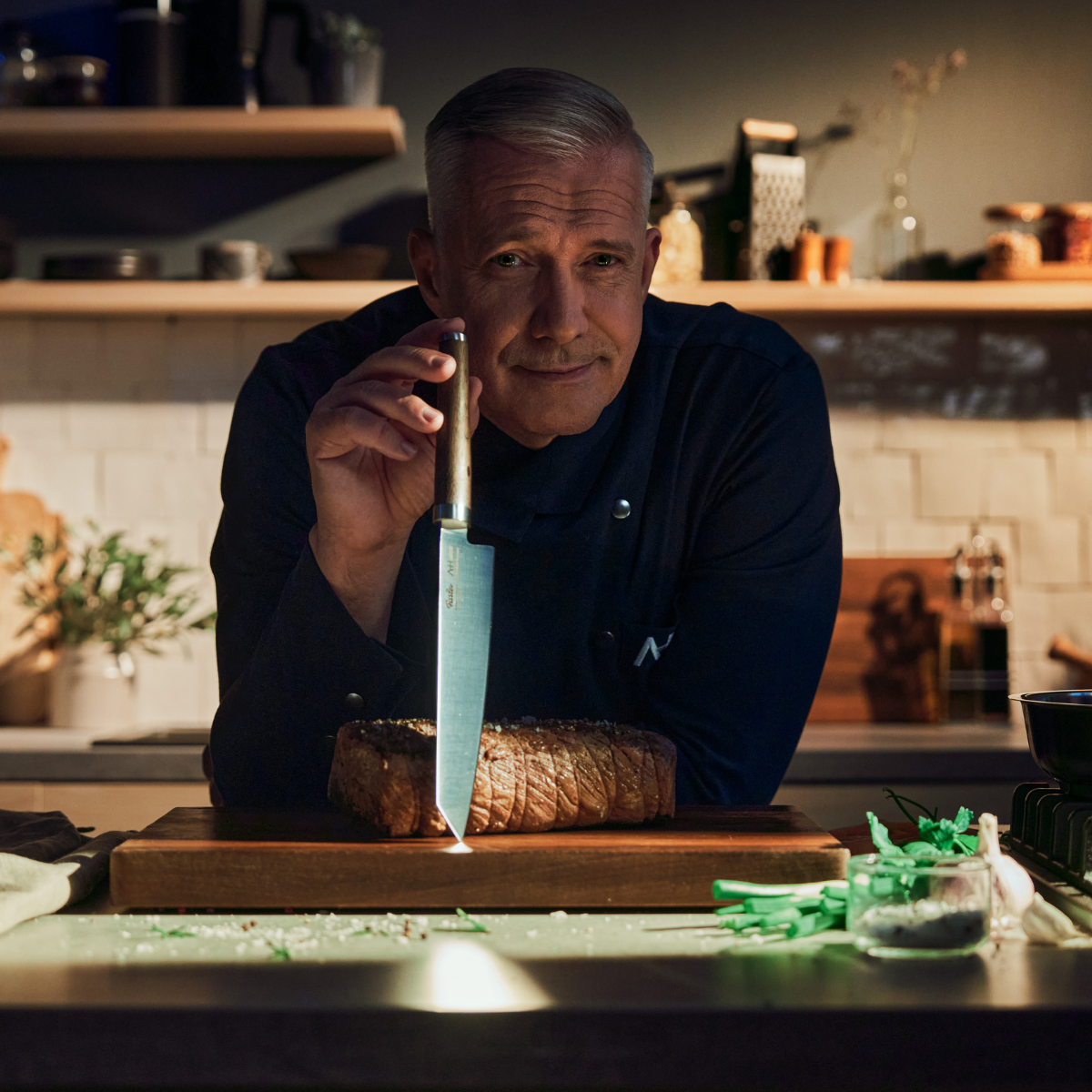
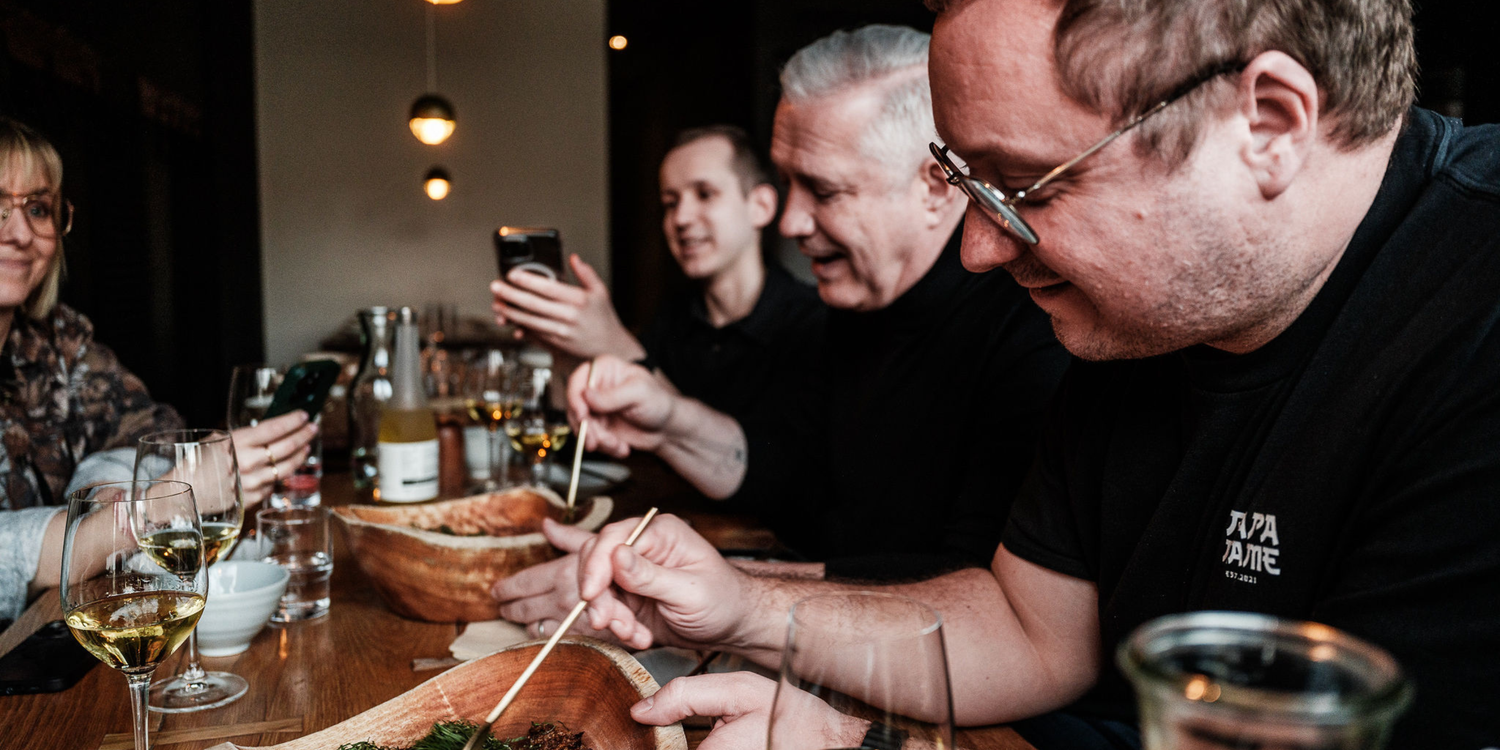
Sechs Chefs. Five Days in Seoul. One Event.

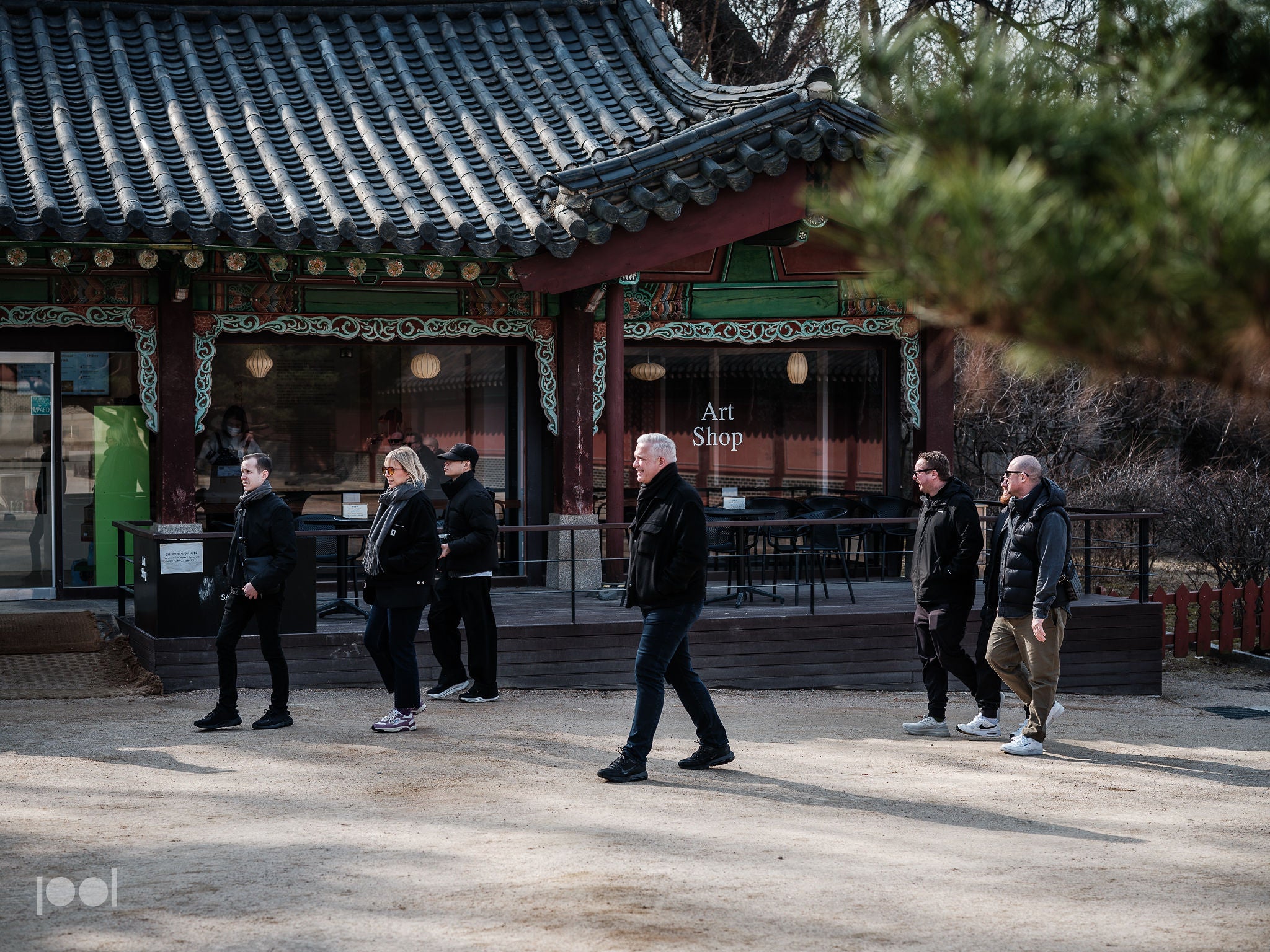
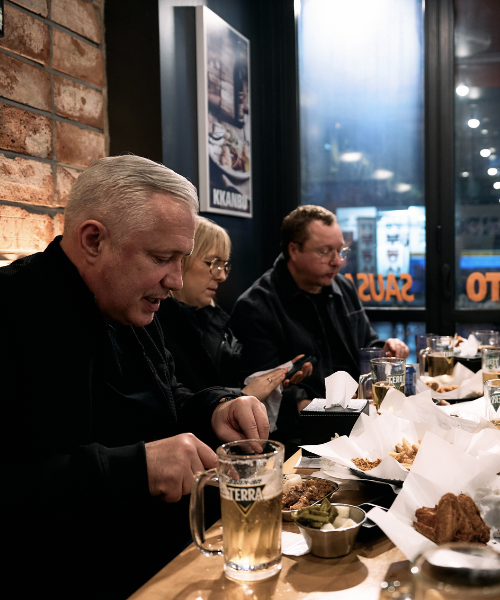
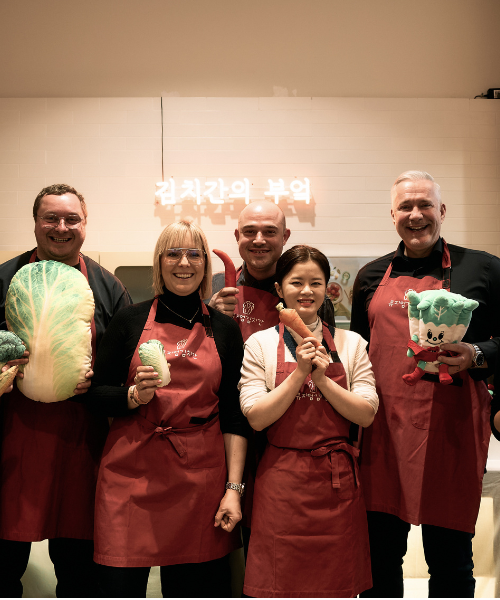
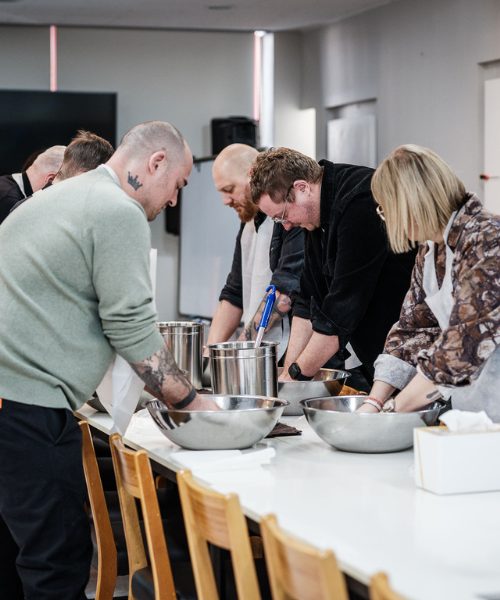
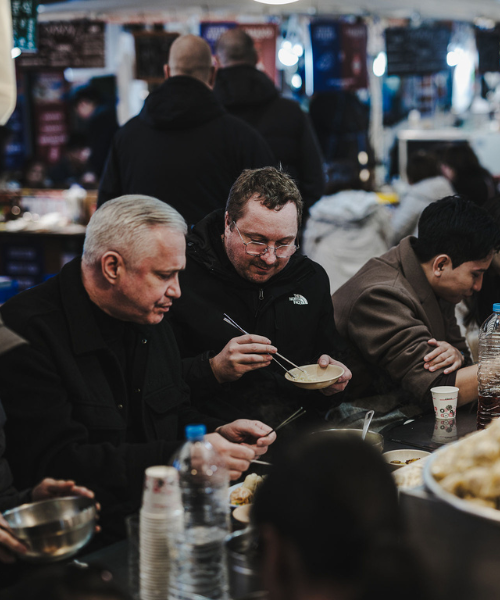
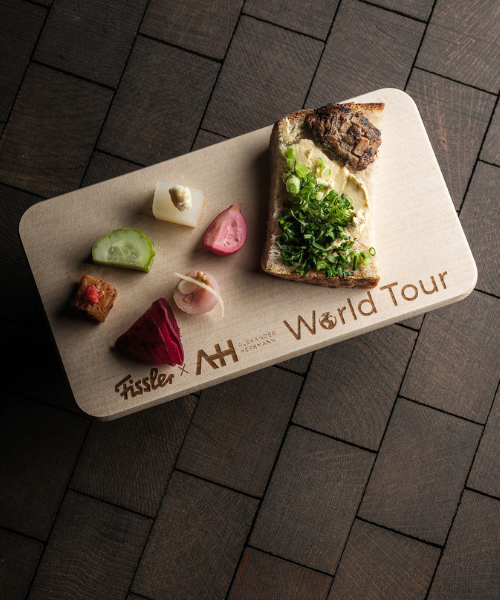
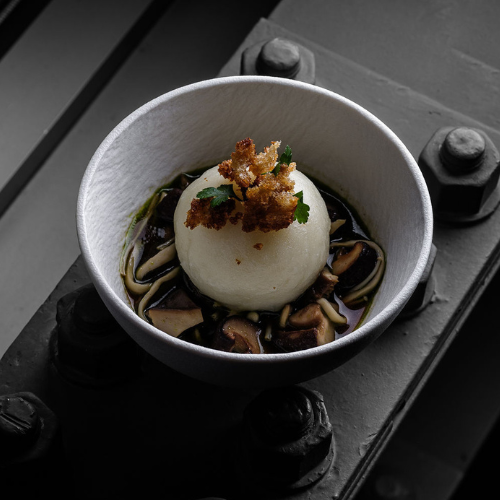
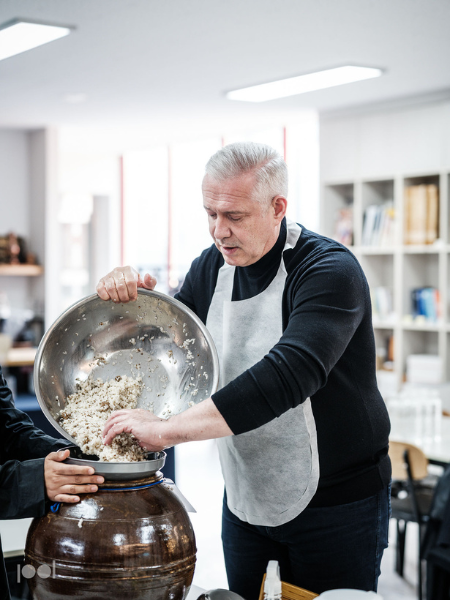
Alexander Herrmann’s World Tour to Seoul had a clear goal: immerse himself in Korean food culture, explore its special features and differences, and ultimately create a Franconian-Korean menu that combines the best of both worlds.

Even if you may bake on a smaller scale at home, it is reassuring to see that top chefs on a discovery tour follow the same steps you do in everyday cooking or at a family celebration: plan – prepare – cook – serve – tidy up.

And at the end comes the moment of triumph: the event where the dishes shine. The appreciative silence at the first bites and the relaxed conversations that follow good food. And the pride that everything worked out. That is an emotional moment for star chefs too.

The circumstances may be special, but you can take a lot from their experience for yourself.

"It is basically a challenge to step out of your comfort zone: to travel to a truly distant country with a highly developed culinary culture. Experiencing and exploring that is, of course, detective work."
Section ID: template--30935411949917__media_with_text_boxed_iEixWy

Moments of anticipation - the planning

Every dish starts in the mind.

Admittedly, cooking a gala menu for guests from another culture in a foreign kitchen is another level. But the planning brings up the same questions as for dinner with friends:

Who are the guests?
What are their expectations? What suits the occasion: a finger food buffet or a 4-course meal?
What preferences and restrictions are there? Alexander Herrmann and his team have adapted the dishes so that everything can be eaten with chopsticks and have significantly reduced the salt content to suit local tastes. At home, the question is more: are there vegans among the guests or does someone have an intolerance? After all, the menu should be put together so that everyone can enjoy it.

Clarify technical requirements and schedule
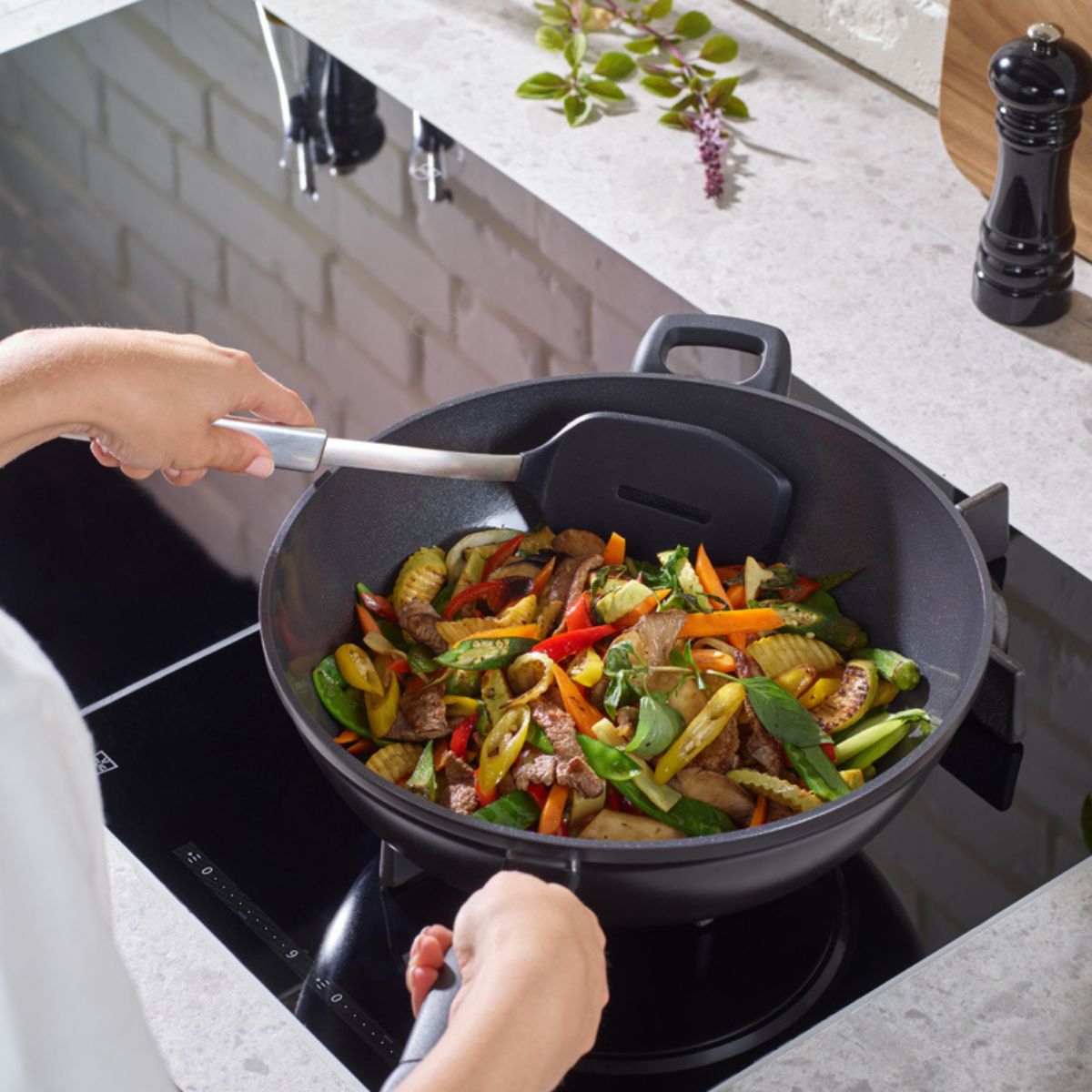
You know your kitchen and what appliances you have available. But it's worth thinking through the entire menu, also in terms of workflow: How many pots and pans realistically fit on the stove at the same time? Even on a five-burner gas stove, it can get tight with a large wok. And if the dessert is baking in the oven, you can't use the grill function for the main course at the same time.
Also important: does anything need to be started the day before? Is meat marinated overnight, or should the pizza dough rise for 24 hours?

"You just have to do it in a structured way. It helps me to write things down. I used to think I'd remember it. But it's important that you really write everything down. Then I can always look back at it and don't have to think for long, whether it's a shopping list or the cooking steps. That way I can focus and don't forget anything. Otherwise, the rush comes because I have to quickly fit something in." (Joshi Oswald)
Ingredients
Once the courses are clear, it's time for ingredient planning: What do you need, in what quantity and quality, when and where is the best place to buy it?
This also includes planning portion sizes, so that no one leaves hungry at the end, or you have leftovers for the next three days. Top chefs have a feel for this; for everyone else, there are practical tables. Always keep the entire menu in mind so there's still room for dessert.

Serving
The question of how the finished dish should be served is also important now. While you don't need to order dishes in advance like Alexander Herrmann's team, the choice of plates also influences portion sizes and creative plating possibilities.
However, the overall composition of the menu is more important than the perfect plate. Ideally, the courses should relate to each other and create a symphony for the senses. Whether it begins with a gentle crescendo or a pompous fanfare is up to you.

By the way, with the fusion menu for the World Tour, it was like this: The team had already gathered ideas in Germany about what they could cook and brought the most important spices with them. The concrete plan was then developed on-site, as local inspiration was the central focus of the trip.

“There were a few Franconian dishes that we fundamentally took as a blueprint. So our spices like bread spice and caraway, so that we have a bit of something in that direction. It’s always a fine line: how much of your own DNA do you bring and how much do you take from the local area.”

Alexander Herrmann, 2-star chef

Moments of Clarity – The Preparation

Quality decides taste.

Once the plan is in place, it's time for concrete preparation.

Shopping
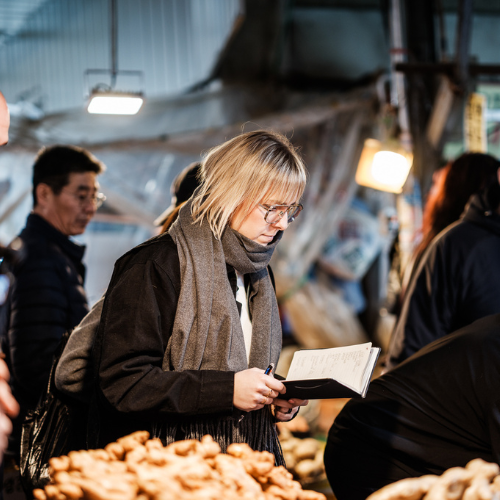
The value of a shopping list is that you have a clear direction. Otherwise, you can quickly end up like Joshi Oswald: "As a food scout, I'm naturally extremely interested in everything that's available. At the market or when walking through the streets, I'm always looking: what's new, what have I never tried, what do I want to try, what have I read about. I'm always driven like that. That's why I also like to run back and forth across a market because so many things interest me. Anja is the one who keeps an overview and clearly says: we are now working through this list."
The quality of the ingredients is crucial for a delicious final result. Quality over quantity. Not everyone has a fish market nearby, let alone one that is "as big as twelve football fields" (Alexander Herrmann). It's all the more important to explore local shops and find your own trusted fishmonger. The market stall that has the tastiest tomatoes. The vintner whose Riesling is a perfect match.

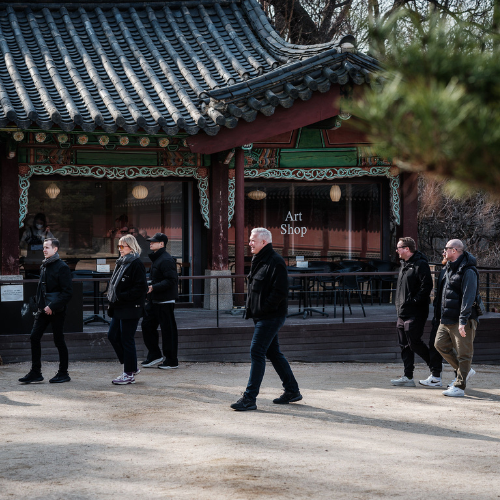
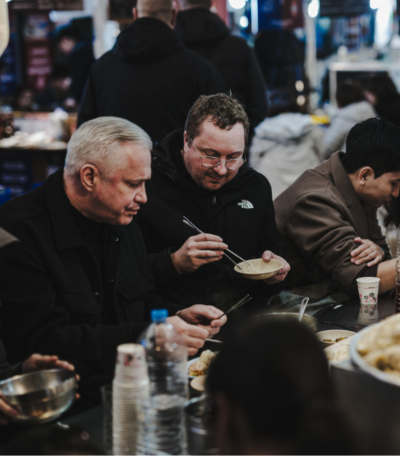
Alternatively: ask someone who knows their way around. In Seoul, two Korean chefs joined us at the market; they knew the best stalls for every single ingredient. For your own kitchen, it’s best to ask foodie friends where they love to shop.

Mise en place
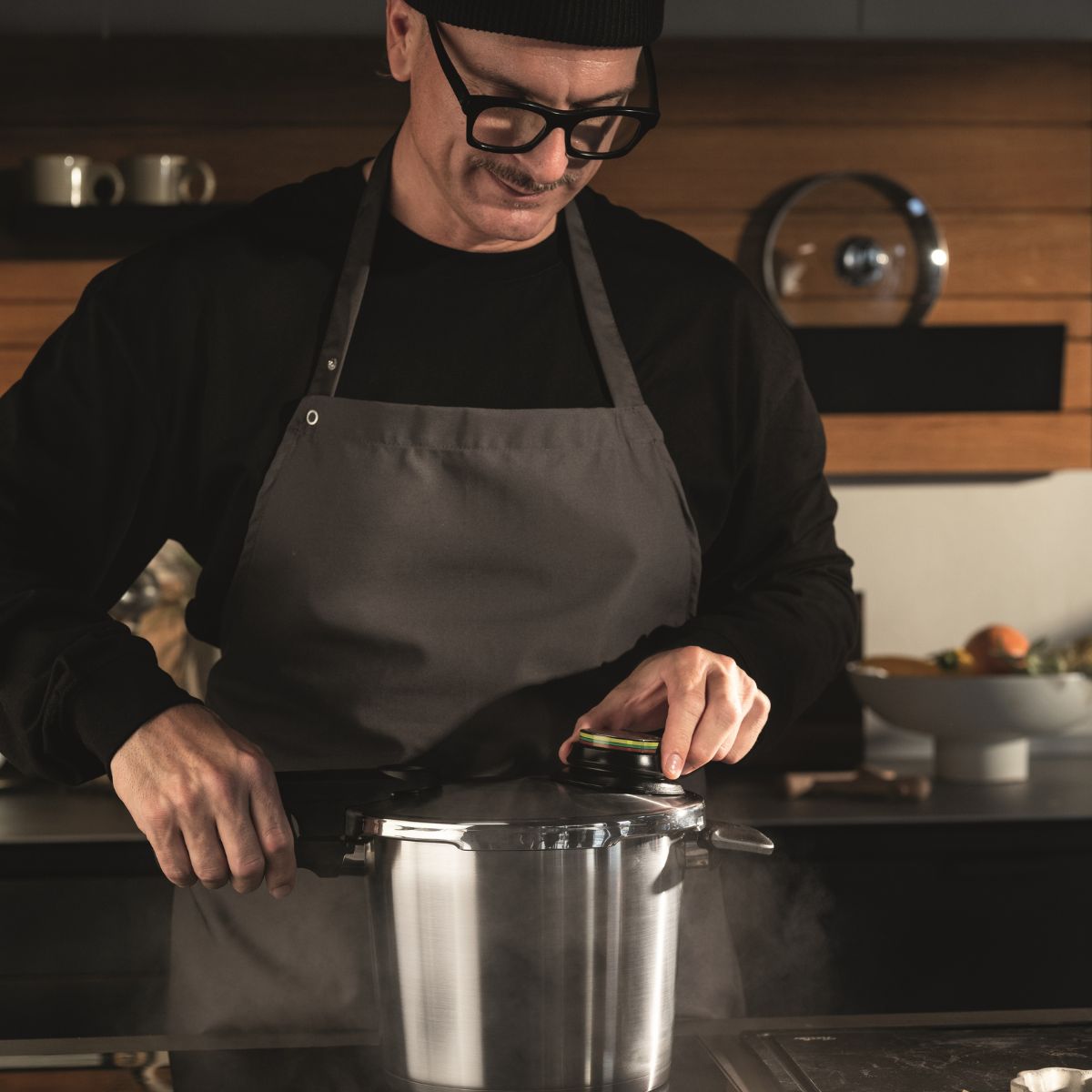
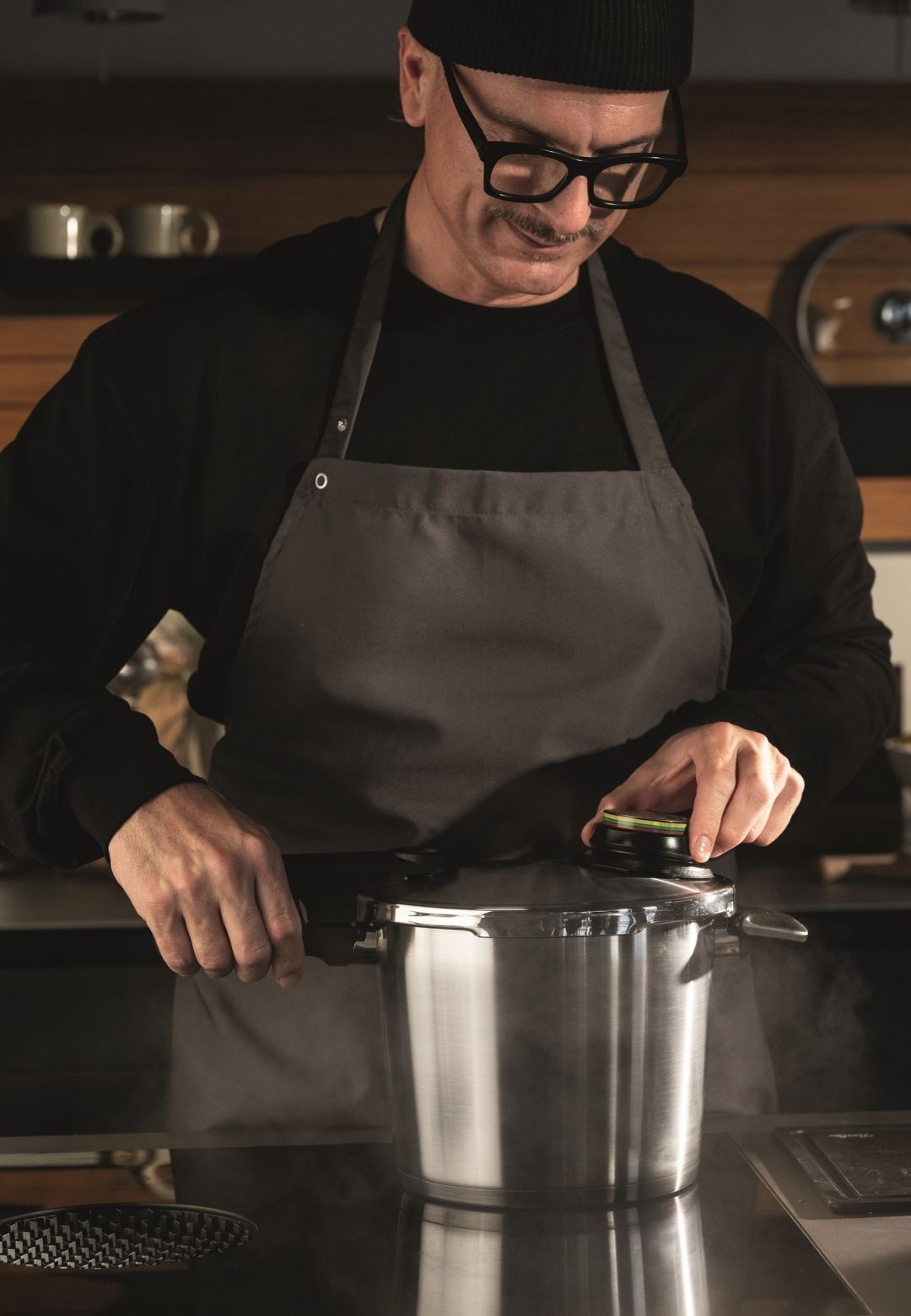
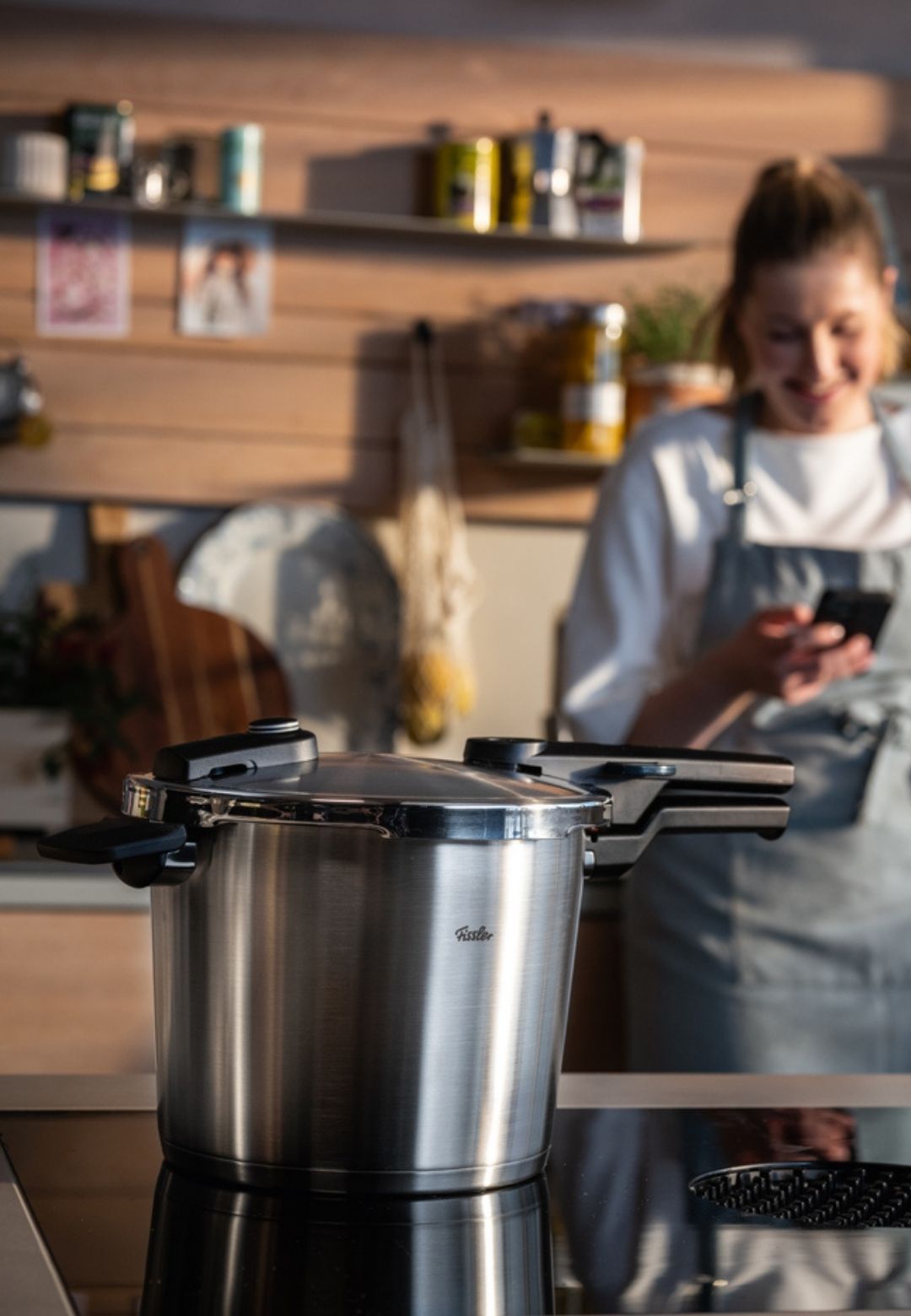
Back in the kitchen, the groceries are unpacked and everything is set out so you can start with full focus. This includes the kitchen equipment: Do you need to get the pressure cooker out of the cupboard? And where exactly is the spaetzle grater?
The cooking team in Korea faced an additional challenge: an unfamiliar kitchen. Even though the equipment was the same as back home—after all, it was furnished by Fissler Korea.

“The kitchen was truly top-equipped, but it’s still different from cooking in your familiar environment at home. It’s outside your comfort zone, and that challenges you more than you want to admit at first.”

Section ID: template--30935411949917__media_with_text_boxed_zbhadP

Moments of truth – cooking

Get cooking, get set, go!

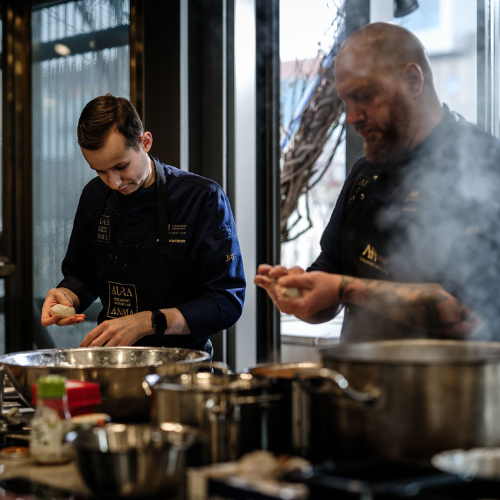
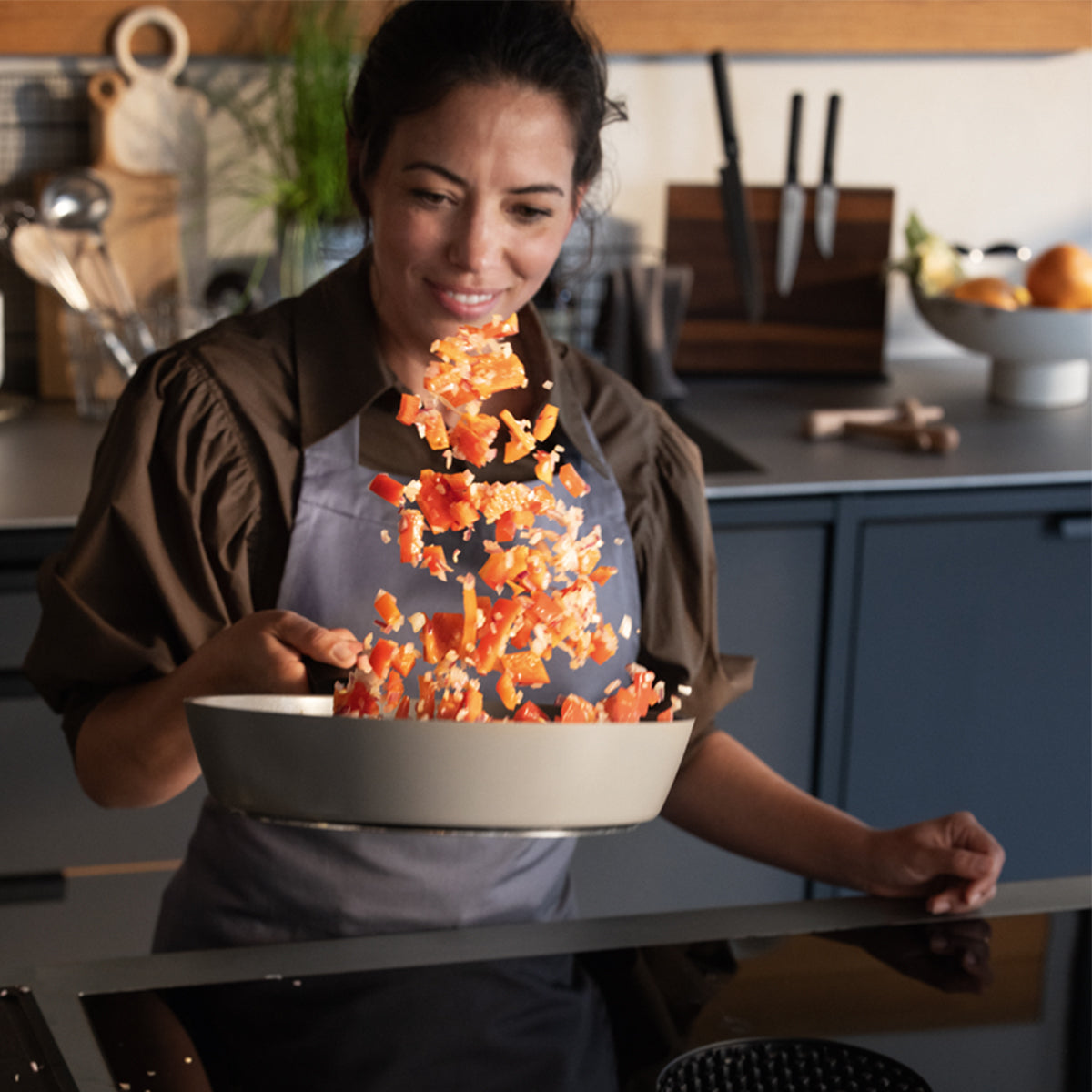
Now the preparation pays off. You can follow the plan step by step and focus on getting the best out of your ingredients.

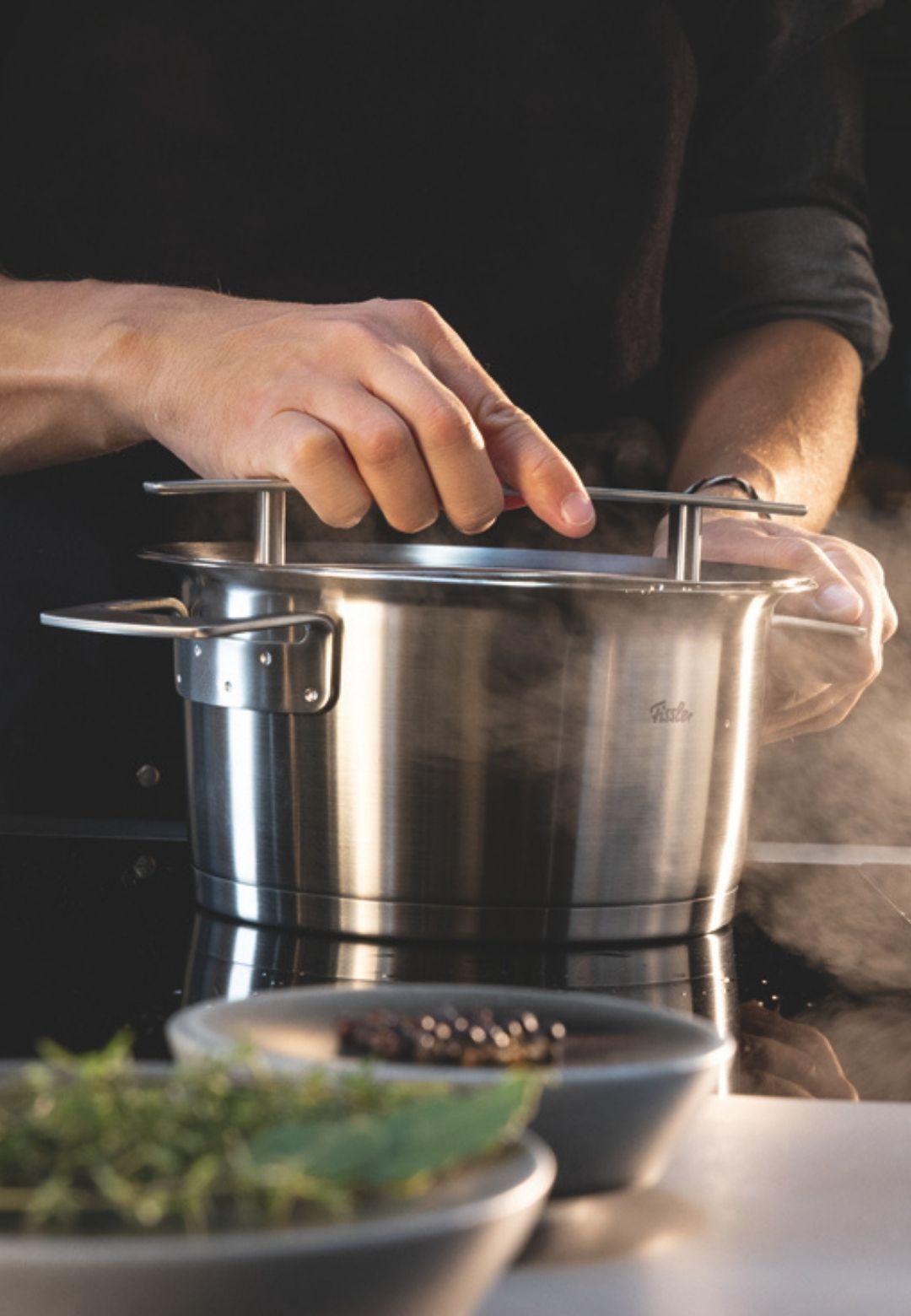
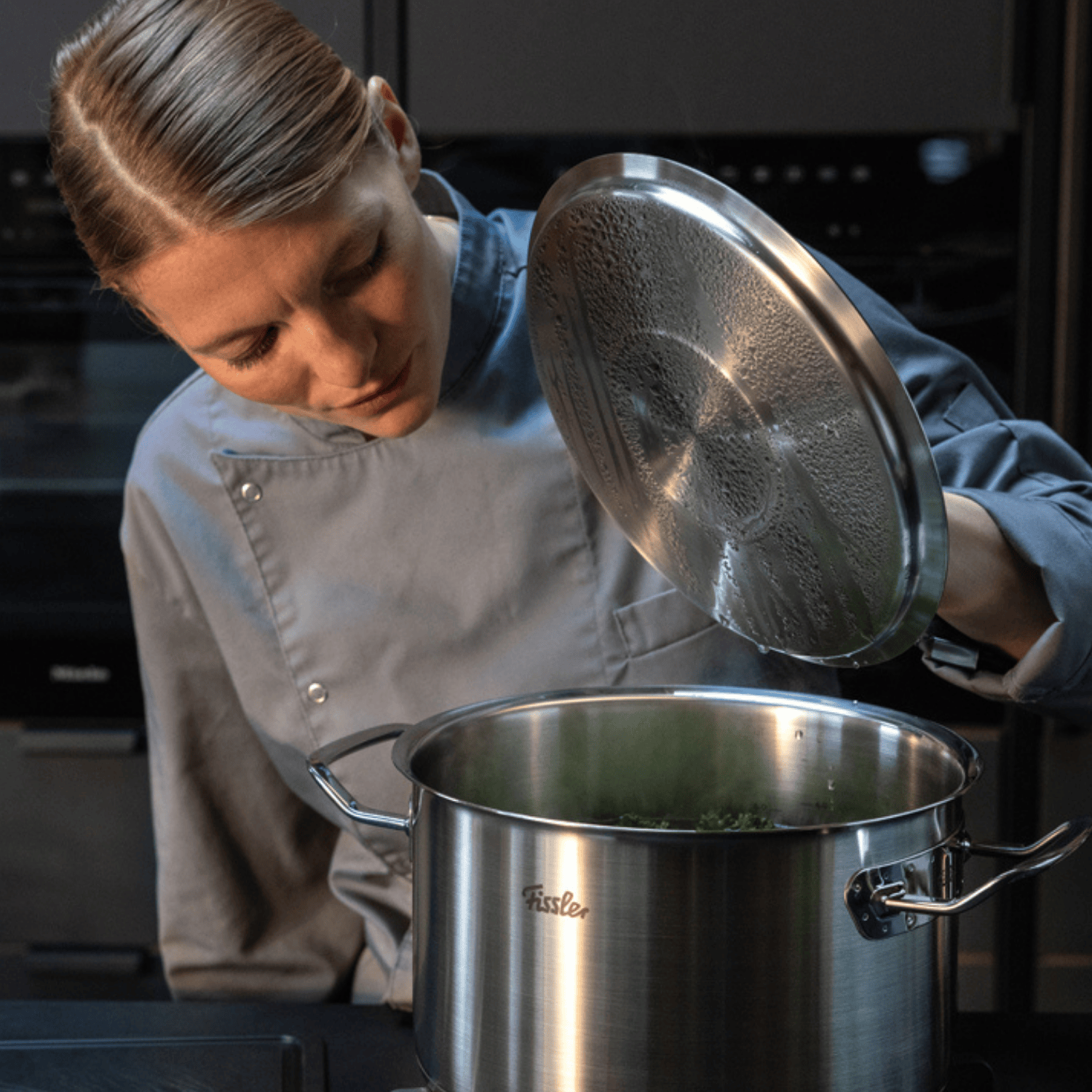
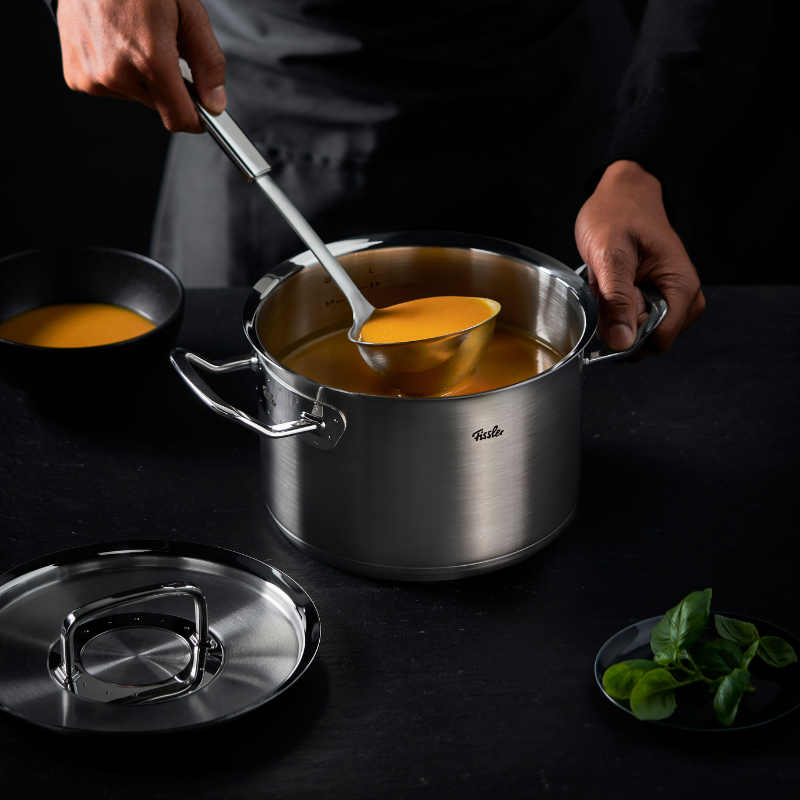
Good equipment helps with this: professional tools for professional demands.

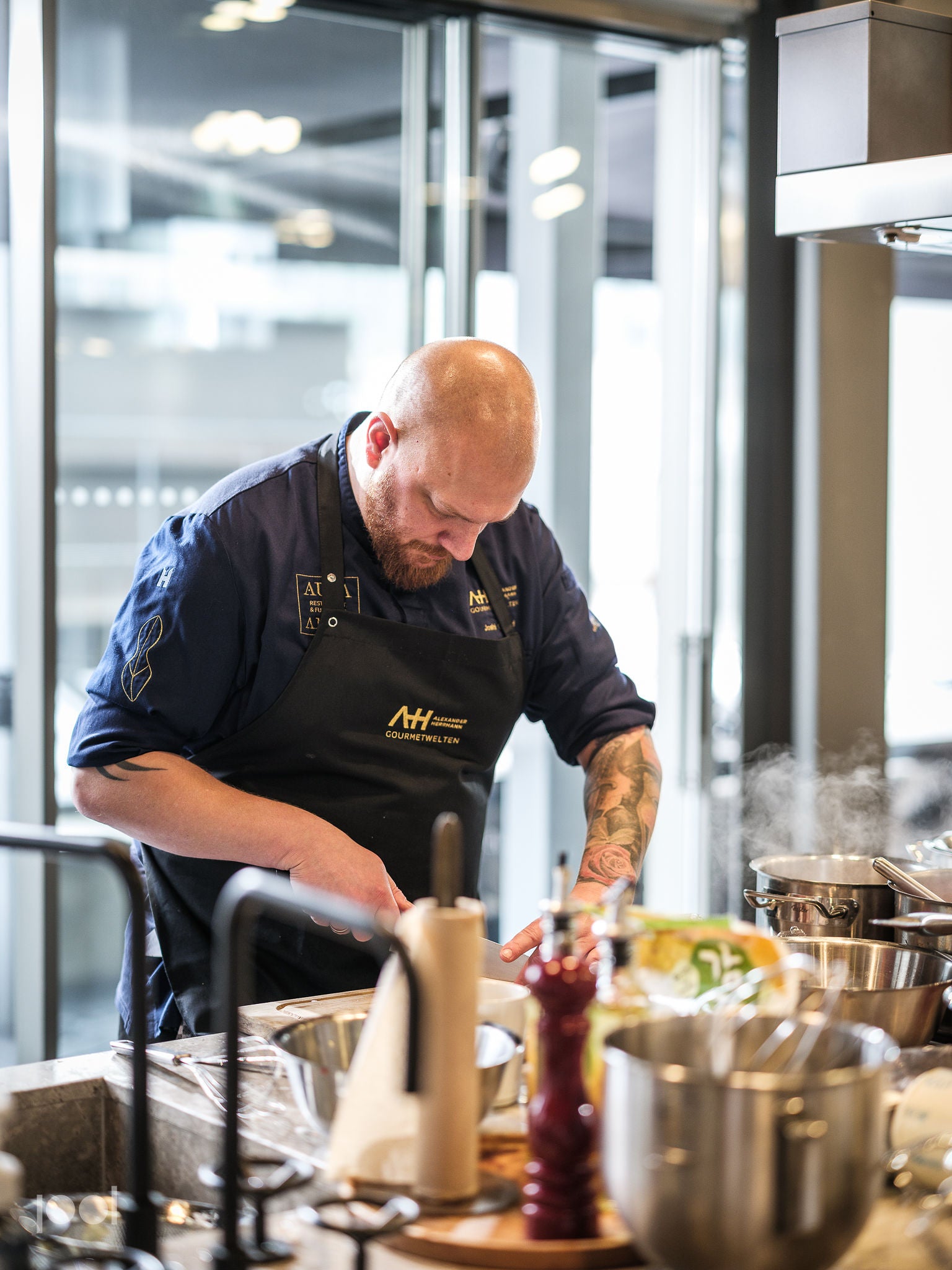
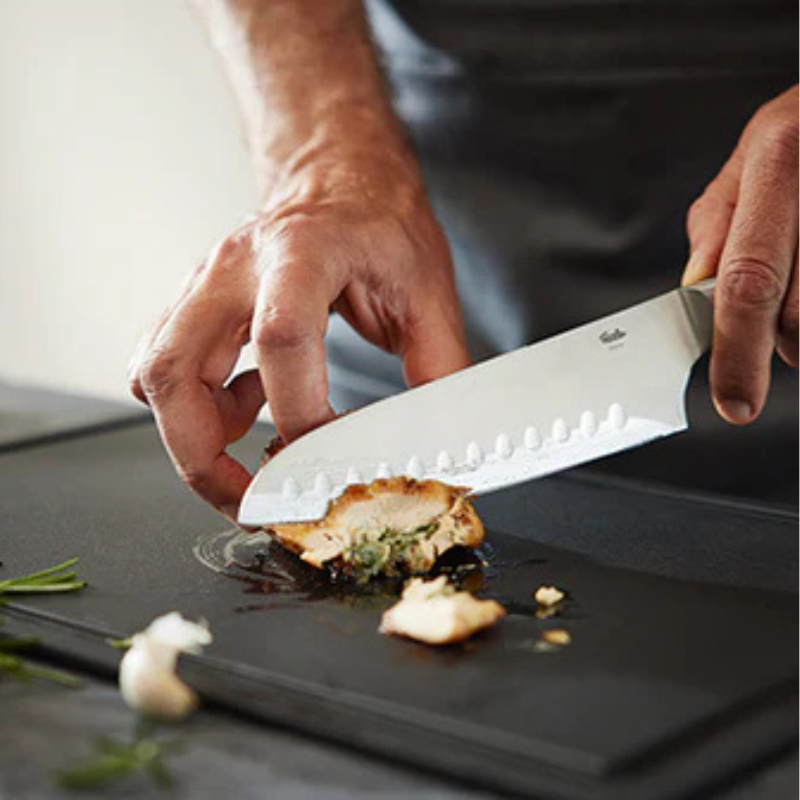
"With Fissler, we have a very strong partner and trust that they are very well equipped, and it was like that. The only thing you always take with you are your own knives. Everyone has their preferences." (Anja Kirchpfennig)

In implementation, it becomes clear that a good plan should allow for spontaneous changes and adjustments. Planning for disruptions makes them less stressful. For example, if Korean potatoes have a different starch composition than those at home, dumplings can sometimes fall apart. Then it's time to keep a clear head and find a solution, even if the first guests are already arriving.

A little mindfulness also helps to clear your head. One of the biggest differences between German and Korean food culture is how food is handled.

"The appreciation for how people handle food. How they fillet fish at the fish market, for example. In Germany, I know it's like, they throw the fish on a board and then hack at it. They slaughtered the fish, laid it on a board, really like putting a child to bed, and cut it very calmly and deliberately. And that just fascinates me, that there's no rush. It was very respectful towards the dead animal." (Joshi Oswald)

You can incorporate a little of that into your own kitchen. Briefly and consciously enjoy the aroma of tomatoes. Listen to the bacon sizzle in the pan. Be grateful that you can share delicious food with loved ones.

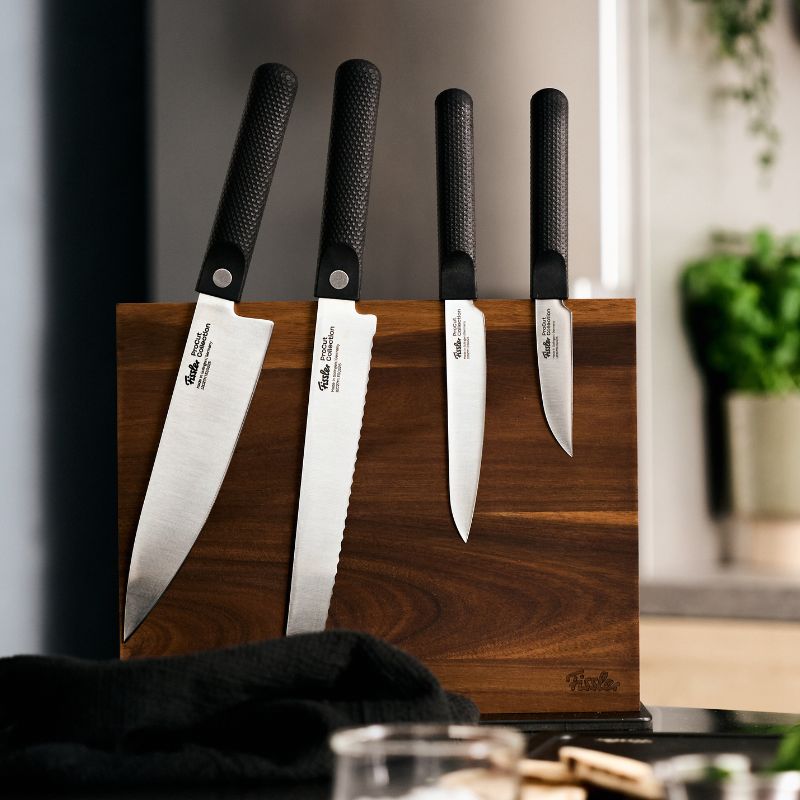
Fissler PrimeCut Collection
Section ID: template--30935411949917__media_with_text_boxed_6inzKp

Moments of Creativity – Plating

The eye eats with you.

The age-old question: "What's more important, taste or appearance?" is complemented by a third component in Korea: texture.

"Only on the second day did I really grasp that in South Korea, texture is almost everything. So that's really the most important thing to them, the mouthfeel is right up there for them." (Quote Alexander Herrmann)

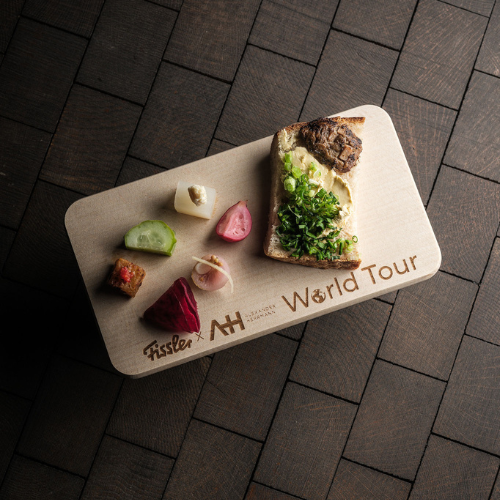
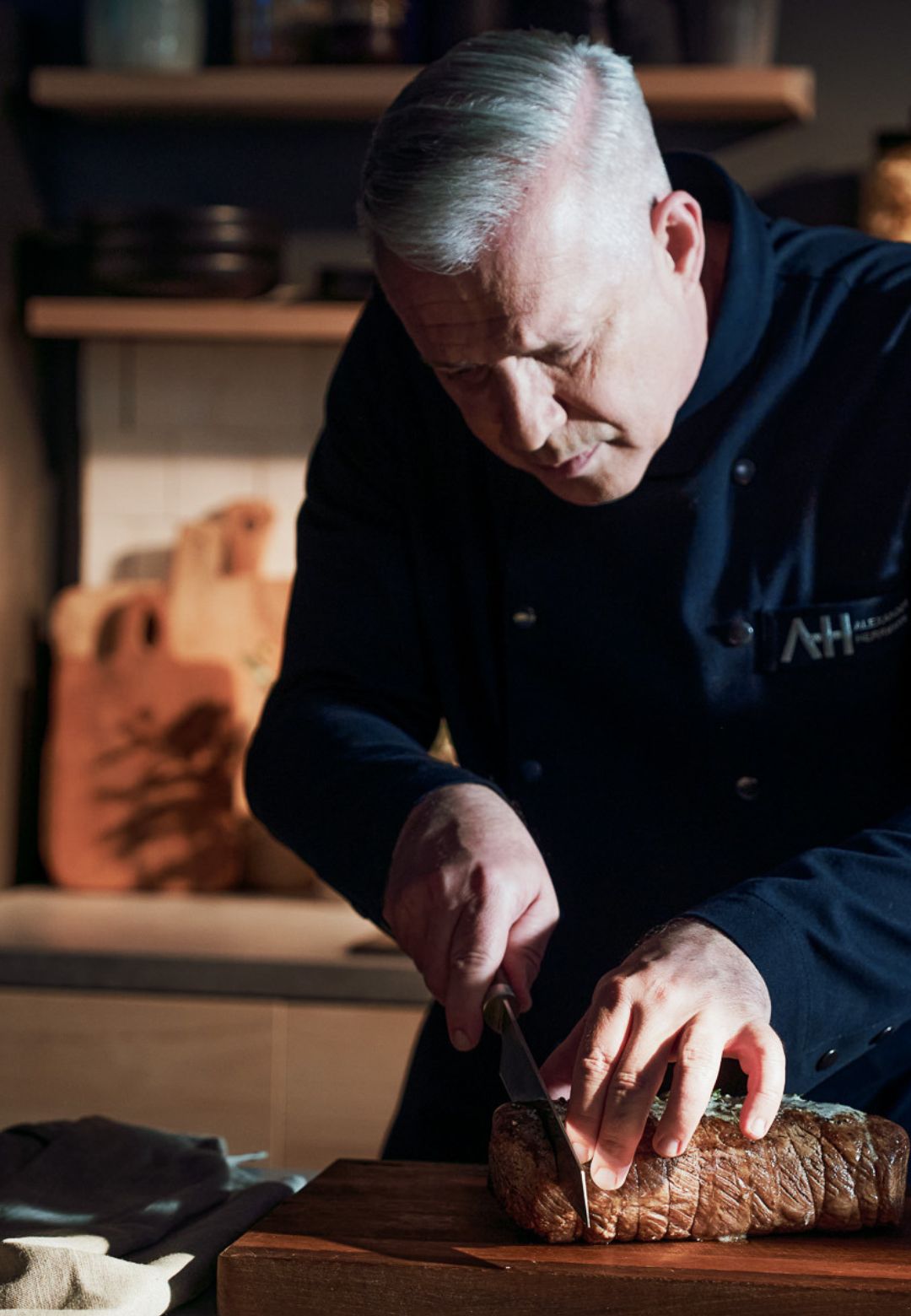
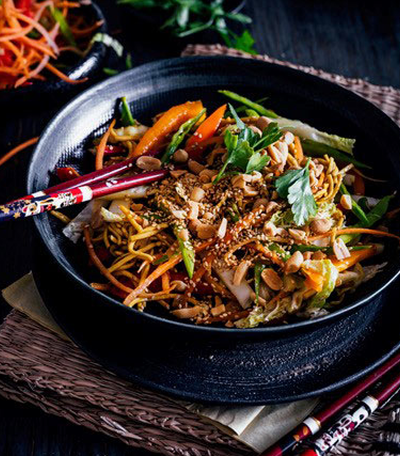
And of course, everything must be edible with chopsticks. This means rethinking, moving away from large pieces of roast served with an extra sharp knife, towards bite-sized pieces.

For you, this means: Always keep in mind what your guests need or expect. It should look great, but also be easy to eat. Nobody wants to deconstruct a complicated arrangement before they can take the first bite. And at a standing reception, it makes little sense to offer dishes that require a knife and fork – and a third hand to hold the plate.

Ideally, everything convinces: taste, appearance, and mouthfeel.

The most important points for plating:

  • Less is more: The plate shouldn't be completely full; some space between components makes them stand out better. When in doubt, opt for a larger plate so each part of the dish can shine on its own.
  • Dare to be colorful: Eating as colorfully as possible is not only more fun but also healthier – due to phytonutrients. The individual components should also match in color. Neutral, light-colored dishes act like a canvas for you to paint on. Alternatively, a more monochrome dish like tomato soup or risotto will stand out better on colorful plates (preferably in a complementary color).
  • Play with shapes: Fan-shaped meat slices, polenta towers, and diagonally cut carrots are almost standard now. And for good reason: it simply looks good without making the food unnecessarily complicated. But you can let your imagination run wild. Think three-dimensionally and ensure a balanced ratio.
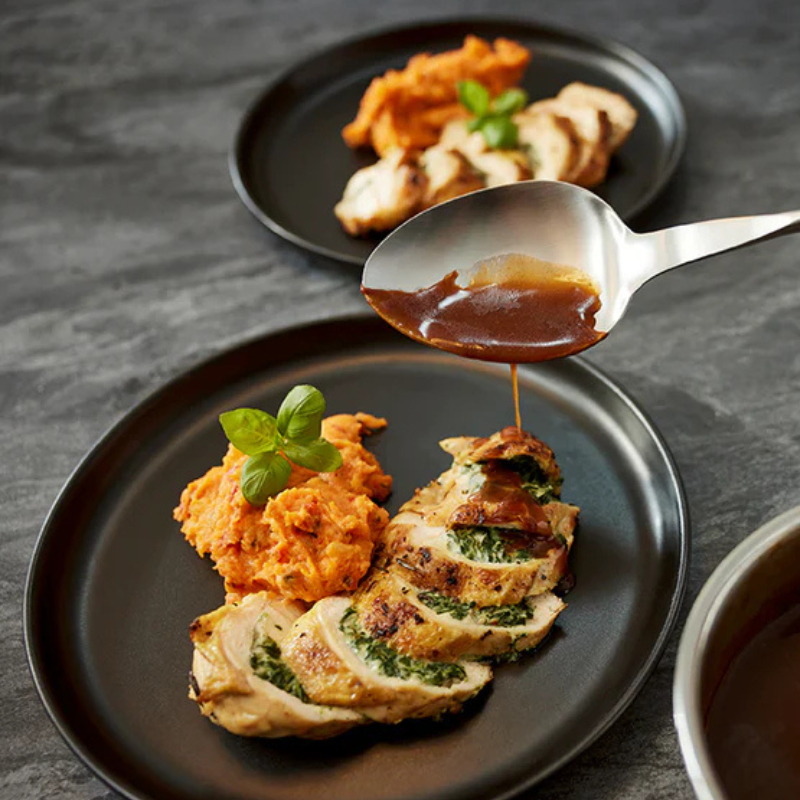
  • The finishing touch: Finally, decorate the plate with herbs, edible flowers, or chopped nuts, and drizzle the sauce in a spiral pattern, for example. Don't forget: while less is more, too little sauce can spoil the fun. You can also place a sauce boat on the table so everyone can add more to their taste.
To the recipes
Section ID: template--30935411949917__media_with_text_boxed_EbjEa3

Moments of Triumph – the Event

A menu that brings everyone together.

All the preparations lead up to the big moment: the food reaches the guests.

The eager anticipation, the first hint of a delicious aroma, a brief pause to admire it, and then the first bite. That is the moment when even a star chef waits with slight nerves, only to be relieved by the guests' happy smiles. Everything worked out!

Quote from Alexander Herrmann: "There was an outstanding atmosphere for me. You can feel the atmosphere in a room. If there were an uneasy silence, it would not matter how much they applauded you."

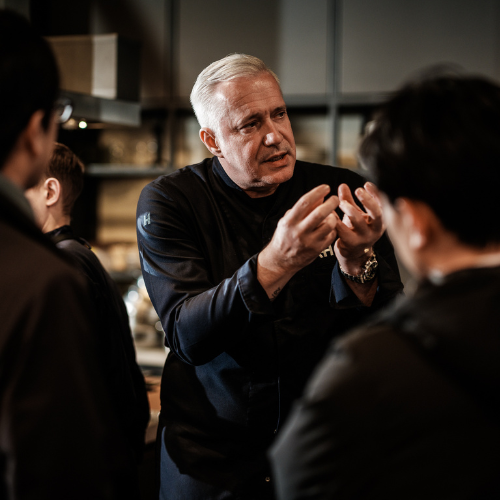
Franconian-Korean fusion food needs a bit of explanation. That is why Alexander Herrmann also helped serve and introduced the individual dishes.

Quote from Alexander Herrmann: "What mattered was not simply serving something to eat, but how you explain it in order to bring them into your world, to reach their hearts and souls. Then it tastes even better."

Even if you're not making fusion cuisine, a little anecdote about the recipe or where you discovered this special wine goes over well, even when dining at home. It gives the dish an added depth and often sparks extended conversations about the most beautiful of topics: delicious food.

Of course, it helps to have great guests who are open to new things.

Quote from Anja Kirchpfennig: "I found it lovely that the guests were totally curious and open. They really let themselves be taken along with everything we combined there. It was very unusual for the local conditions."

We asked the cooking team which moments from their trip to Korea they remember most. What were the "aha!" moments, and which were the most emotional?

01

Alexander Herrmann

“Reducing salt to a minimum and what that means for our dishes. If you’re making a roast pork and can’t salt the crackling properly, it won’t turn out right. And that’s how you realize that mineral salt serves not only a flavor purpose for us, but also a culinary and technical one. You already know that, but when you suddenly find yourself in that situation, you naturally notice new things. That was the goal, after all.”

02

Joshi Oswald

“The ‘aha!’ moment for me as a food scout was when you see these huge markets. You always imagine it, you always compare it to where you’ve shopped yourself. And then you see these giant halls where one hall after another is just a fish market. That fascinated me the most and really thrilled me.”

03

Anja Kirchpfennig

“What really surprised me was the world of spices we discovered in Seoul. I thought other flavors would be more noticeable. In general, the cuisine is very easy to digest. I noticed that right away, even in just one week, because the seasoning is different: very little salt, milder preparation methods, like pickling and steaming.”

01

Alexander Herrmann

“Reducing salt to a minimum and what that means for our dishes. If you’re making a roast pork and can’t salt the crackling properly, it won’t turn out right. And that’s how you realize that mineral salt serves not only a flavor purpose for us, but also a culinary and technical one. You already know that, but when you suddenly find yourself in that situation, you naturally notice new things. That was the goal, after all.”

02

Joshi Oswald

“The ‘aha!’ moment for me as a food scout was when you see these huge markets. You always imagine it, you always compare it to where you’ve shopped yourself. And then you see these giant halls where one hall after another is just a fish market. That fascinated me the most and really thrilled me.”

03

Anja Kirchpfennig

“What really surprised me was the world of spices we discovered in Seoul. I thought other flavors would be more noticeable. In general, the cuisine is very easy to digest. I noticed that right away, even in just one week, because the seasoning is different: very little salt, milder preparation methods, like pickling and steaming.”

Section ID: template--30935411949917__media_with_text_boxed_L8Wpm6

Moments of calm – the cleansing

After cooking is before cooking.

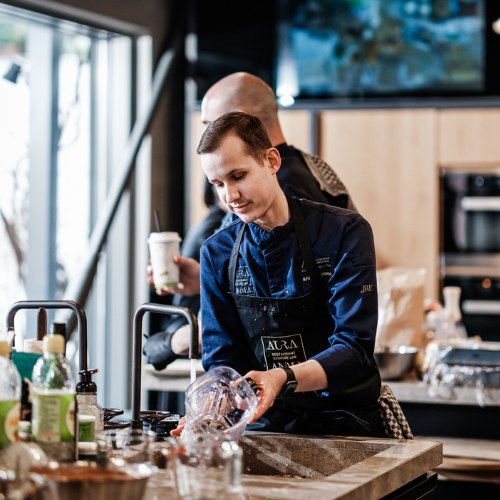
Cleaning up the kitchen probably isn't your favorite activity. But it's part of cooking, even for top chefs who naturally do their own dishes. And with the right technique and cookware that's easy to clean, it almost happens by itself. That way, everything is ready for its next use.

Basically, there are two philosophies: keep your cooking area as clean as possible while cooking and put everything away and wash it up immediately – or focus entirely on cooking and tidy up thoroughly at the end.

In real life, it's usually a mix. Like with Food Scout Joshi Oswald: "I try to keep it reasonably clean. But when push comes to shove and things get a bit hectic, I'm more of a 'chaos cook'."

The moment of tidying up is also a time for reflection. What went well, what do I want to do differently next time?

And it shows appreciation for your favorite kitchen helpers. Anyone who flies their knives halfway around the world certainly won't put them in the dishwasher. They are carefully washed by hand and dried before waiting in the knife block for their next use.

Section ID: template--30935411949917__media_with_text_boxed_67dCUc

Moments that last – the memories

Preserve memories.

Scents and tastes are particularly good at triggering memories. Brain researchers can explain why. For us, it's only important that food evokes positive memories. Grandma's chicken soup, the special birthday cake, the sun-ripened peaches straight from the tree next to the vacation home…

It's all the nicer when you create new memories with your guests. And in a few years, you can say: "Do you remember back then?" This includes taste above all, but also everything around it: atmosphere, conversations, decoration, music, plate design, and much more.

Discover more moments

Real stories, authentic dishes. From simple everyday moments to special chef’s highlights - get inspired by the Cooking Journeys.