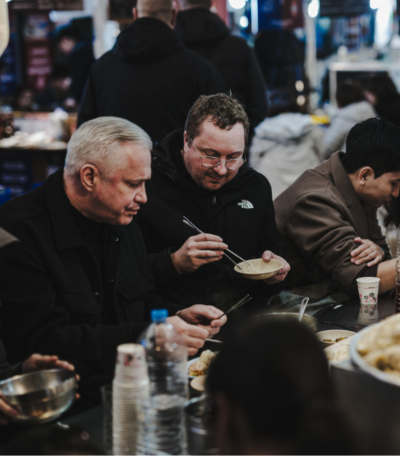
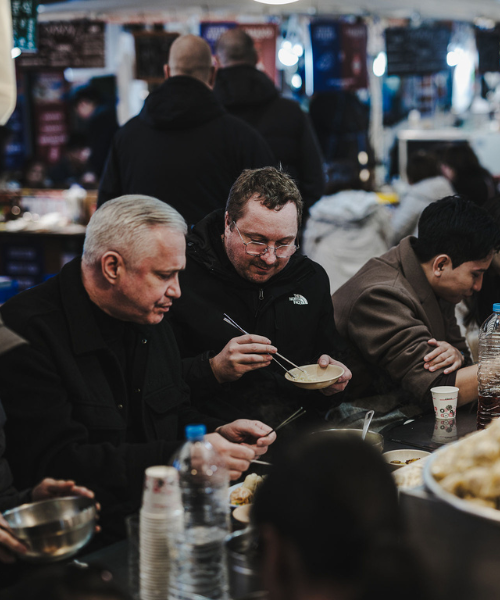
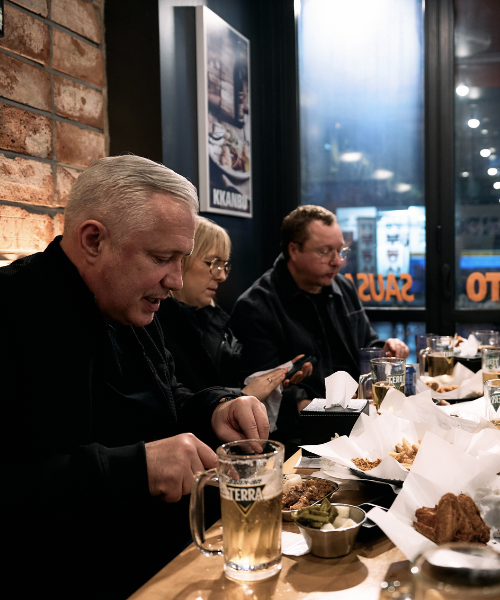
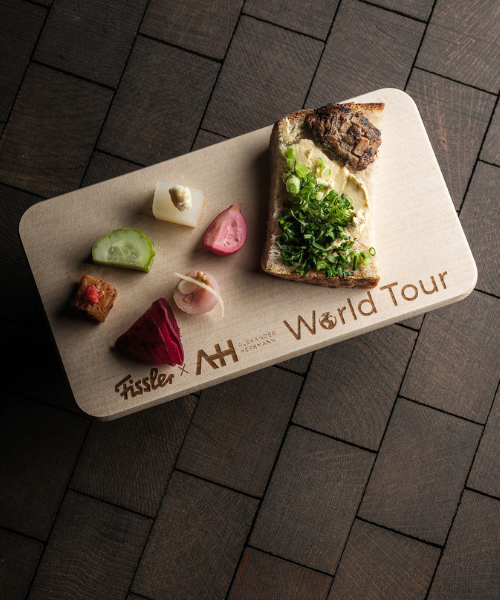
The second realization: It's common here for a wider selection of dishes to be arranged in the center of the table, and guests serve themselves. "A mix of polite and familiar," Anja Kirchpfennig describes it. This also has the advantage that everyone can try a bit of everything. There's a brief consideration of implementing this at Friday's event as well, but for practical reasons, the team ultimately decided on individual plated portions.
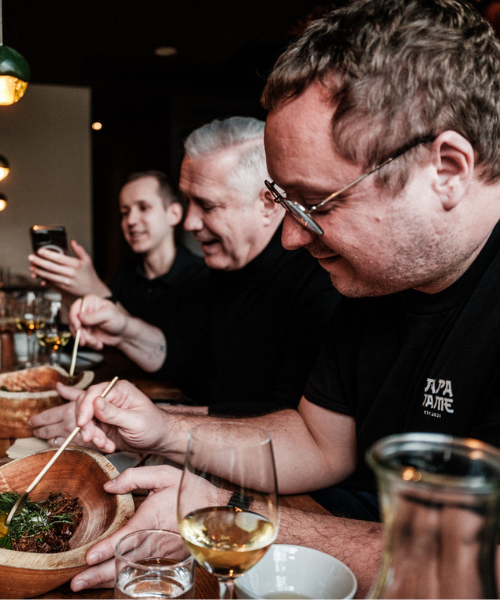
Next on the agenda: Dinner at the two-Michelin-star restaurant Jungsik. One could almost become envious of such a schedule. That is, until you see how the chefs analyze every single bite, identify flavors, figure out preparation methods, and are already planning their own menu. Delicious work, but truly work that engages all the senses.
The conclusion on fine dining: you can tell it's more oriented towards Western tastes and techniques. Perhaps that's necessary if you want to earn Michelin stars. But the high quality of South Korean ingredients is also evident here, and the team agrees that they have never eaten abalone as good as they have in Korea – incidentally, both at the Michelin-starred restaurant and during a regular lunch.