








Kitchen 101: Baking bread
Regional products are absolutely on-trend. In addition to organic shops, small family businesses are becoming increasingly popular. Especially when it comes to food like baked goods, you can really taste the difference homemade makes. Fresh bread with good ingredients is the epitome of coziness, and nothing smells better than a warm loaf straight from the oven. To enjoy this at home, we'll show you how easy it is to bake bread yourself and how simple it is to modify the basic recipe.
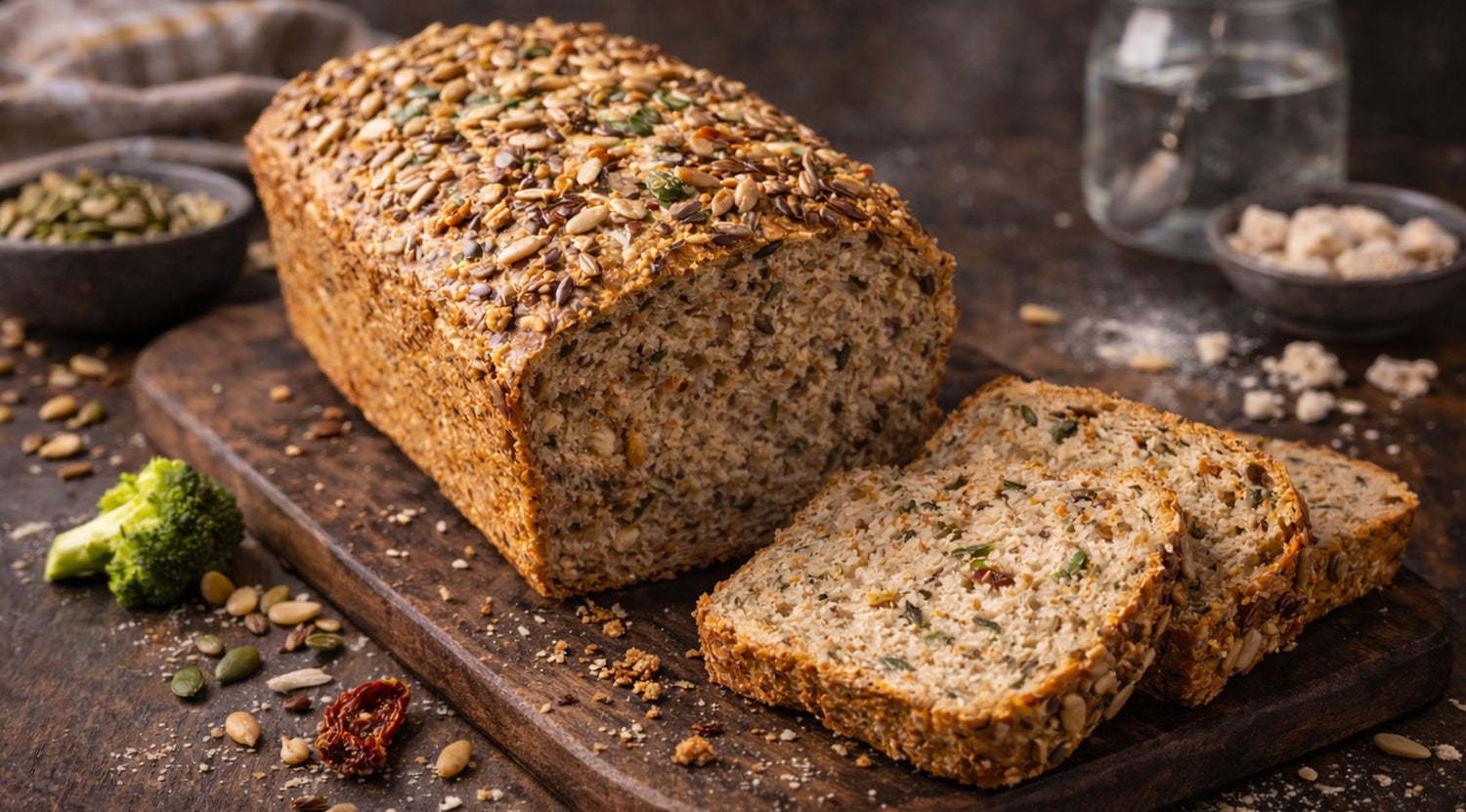
Fresh Spelt Bread
Instead of wheat, we're using a different grain today: spelt. It's particularly well-suited for baking bread because its nutritional values and minerals are much more complex than those of wheat flour. This means you'll stay full longer and it's healthier too. Spelt is therefore ideal for people whose digestive systems struggle with regular wheat bread. Once you've found your favorite basic recipe, you can experiment with additional ingredients to your heart's content.
Walnuts in bread, or seeds and herbs, are particularly delicious. After the basic dough has risen, you can knead in the additional ingredients before the bread goes into the oven – wonderful when baking is this easy!
1 hour 10 minutes
Total Time
1 h
Cooking Time
10 min
Preperation Time
Ingredients
| 500 ml | warmes Wasser |
| 1 Würfel | frische Hefe |
| 1 TL | Salz |
| 4 EL | Essig |
| 150 g | Kerne, Nüsse oder Samen nach Geschmack |
| 250 ml | Dinkelvollkornmehl |
| 250 g | Dinkelmehl |
| 1x | Kastenform |
Instructions
Step 1 of 5:
Pour the warm water into a mixing bowl and dissolve the yeast in it. Add salt and vinegar and stir until all ingredients have dissolved.
Step 2 of 5:
Next, sift the flour into the bowl and add the seeds, nuts, or grains, reserving a handful. Process everything into a dough using the dough hooks of a hand mixer. It should be sticky and relatively moist; if it seems too dry, add a little more water. The moister the dough, the juicier the bread will be later.
Step 3 of 5:
Grease the loaf pan and add the dough. Cover with a damp kitchen towel and let rise in a warm place for 20 minutes. In the meantime, preheat the oven to 200 °C (convection).
Step 4 of 5:
When the surface of the dough begins to bulge slightly upwards, it is ready for the oven; it will stay there for one hour. The remaining seeds are sprinkled over the dough beforehand. A simple test can determine if the bread is done: insert a long wooden skewer. When removed, no dough should stick to the skewer.
Step 5 of 5:
After baking, let the bread cool slightly until it can be removed from the pan. Still warm, spread with fresh butter and a little sea salt, the homemade spelt bread tastes particularly good!