Freezing Zucchini: How to Preserve Flavour and Texture as Well as Possible

Fresh zucchini has a pleasantly understated quality. No dominant sharpness. No heavy sweetness. Instead, it has a delicate, juicy texture and exactly that light freshness that makes especially good summer dishes feel so clear. For this very reason, zucchini is sensitive to storage and cold. Frozen the wrong way, it quickly loses its structure. When thawed, liquid collects in the pan, the surface becomes soft, and what was once a fine texture quickly turns into something bland.

Yet zucchini can be preserved remarkably well — if you understand how it reacts to moisture, temperature, and preparation.

And that is exactly where the difference lies later: between vegetables that were simply frozen, and zucchini that is still pleasant to cook with weeks later, keeps its flavor, and does not completely lose its character.

Can you freeze zucchini?

Yes — and much better than many people think. However, zucchini is one of those vegetables where freezing noticeably changes the texture. That’s exactly why it’s worth briefly understanding what actually happens.

The key factor is its high water content. When frozen, the water bound in the vegetable turns to ice. This creates ice crystals that damage the delicate cell walls of the zucchini. The slower this process happens, the larger these crystals become — and the more the texture changes later on. When thawed, the bound liquid is released again.

The zucchini loses its firmness. It becomes softer. And it releases water much more quickly when frying.

That’s exactly why frozen zucchini often seems less fresh than raw produce. However, that doesn’t mean frozen zucchini is automatically inferior. What really matters is how you use it later. Wherever a softer, juicy texture is actually desirable, it works brilliantly:

  • in soups
  • in sauces
  • in ratatouille
  • in oven-baked dishes
  • in slowly braised vegetable dishes

In dishes like these, the softer texture often blends especially well with the other flavors. The zucchini absorbs spices, herbs, and roasted aromas more easily and fits more harmoniously into the overall dish.

Freeze zucchini raw or blanched?

This choice changes more later on than many expect. Not just the consistency. But also how the zucchini behaves during cooking, how much water it loses, and how clear its flavor remains.

And that’s exactly why it’s worth paying a little attention here.

Freeze Raw Zucchini

If you freeze zucchini raw, prep stays nice and simple. At the same time, its original flavor often stays a little more direct and fresh. However, the texture is more sensitive to freezing. When thawed, raw zucchini usually loses significantly more water. This is especially noticeable in the pan: instead of clean roasted aromas, steam develops more quickly. The surface caramelizes more slowly, and the pieces lose their shape faster.

The reason: the cell structure is damaged by ice crystals, while natural enzymes in the vegetable remain active. As a result, the texture changes more during storage.

Even so, freezing raw zucchini is absolutely worthwhile - especially for:

  • Cream soups
  • Sauces
  • Braised dishes
  • Roasted vegetables
  • grated uses

This method works well, especially where the zucchini will later be cooked until soft. What matters, though, is this: freeze the pieces as dry as possible and don’t cut them too large. Smaller pieces freeze through faster, which creates smaller ice crystals. And that’s exactly what helps preserve the texture later on.

Blanch and freeze zucchini

Blanching may seem like a small extra step at first, but it has a surprisingly big impact on quality later on. Several things happen at once:

  • Enzymes are slowed down
  • Color stays more stable
  • the cell structure is lightly strengthened
  • Moisture loss is reduced

The zucchini stays more defined. The surface looks more even. And the pieces keep their shape and stay calmer during cooking. Blanching is especially worth it when the pieces are meant to remain visible later on – for example in oven dishes or vegetable pans.

Freezing Zucchini Without Salt: Why It Often Works Better

Many outdated recommendations advise salting zucchini before freezing. However, that is often not ideal for the texture later on. Salt draws out water - and that is exactly what causes the zucchini to lose firmness before freezing. When thawed, this more quickly creates a soft or almost spongy texture.

If you want to freeze zucchini without salt, it will keep a much more pleasant texture. This makes a noticeable difference later on, especially with:

  • diced zucchini
  • slices
  • small vegetable pieces

An exception can be grated zucchini, for example for batters or fritters. In that case, drawing out liquid on purpose is fine so the mixture stays more compact later.

How to Freeze Zucchini Properly

Step 1

Use firm, young zucchinis

Small to medium-sized ones usually have the best texture and contain less spongy flesh. The fresher the zucchini is when frozen, the better its texture will remain later on.

Step 2

Dry thoroughly

Residual moisture promotes large ice crystals and worsens the texture. So always dry the zucchini thoroughly after washing - ideally with a clean kitchen towel.

Step 3

Cut to size

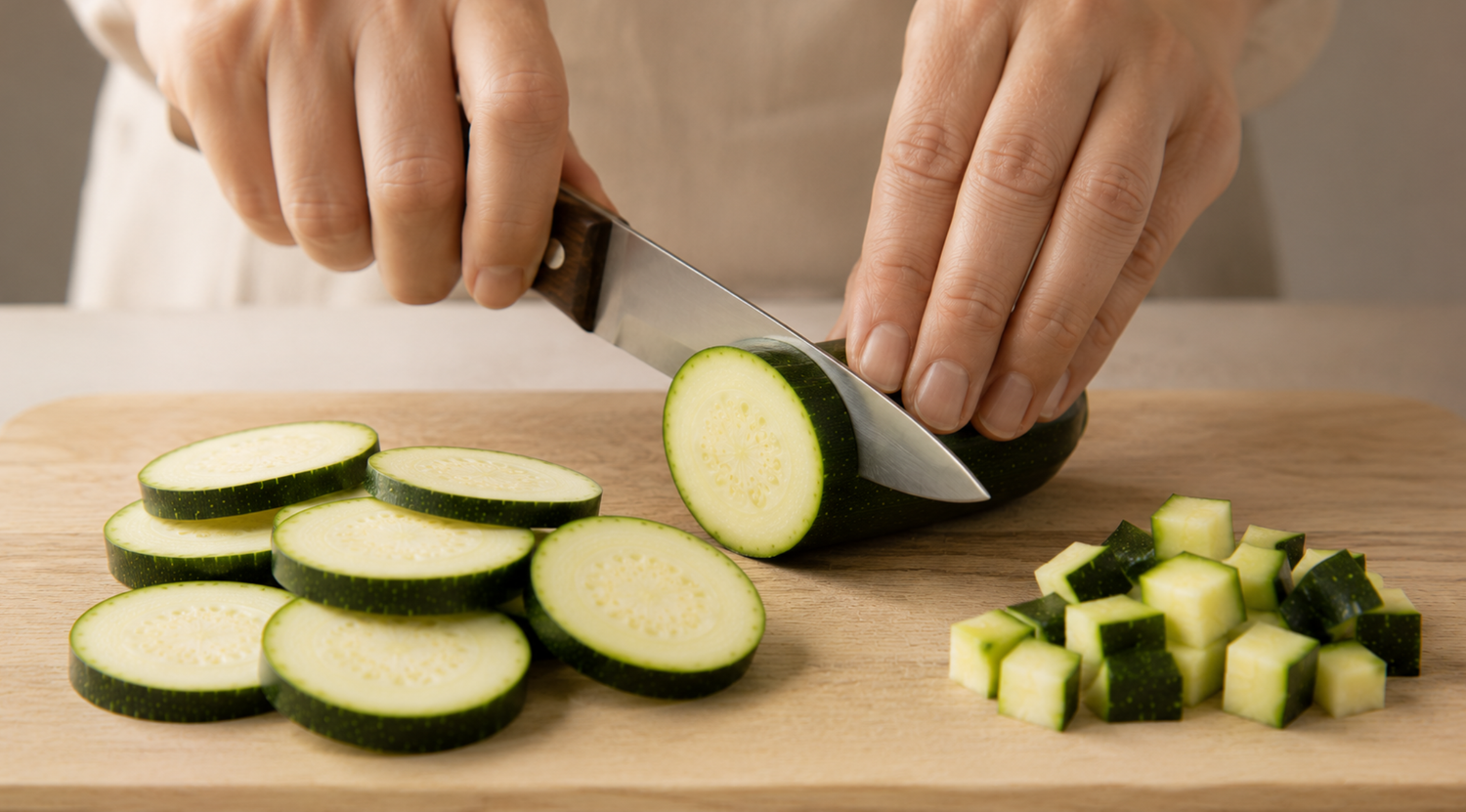
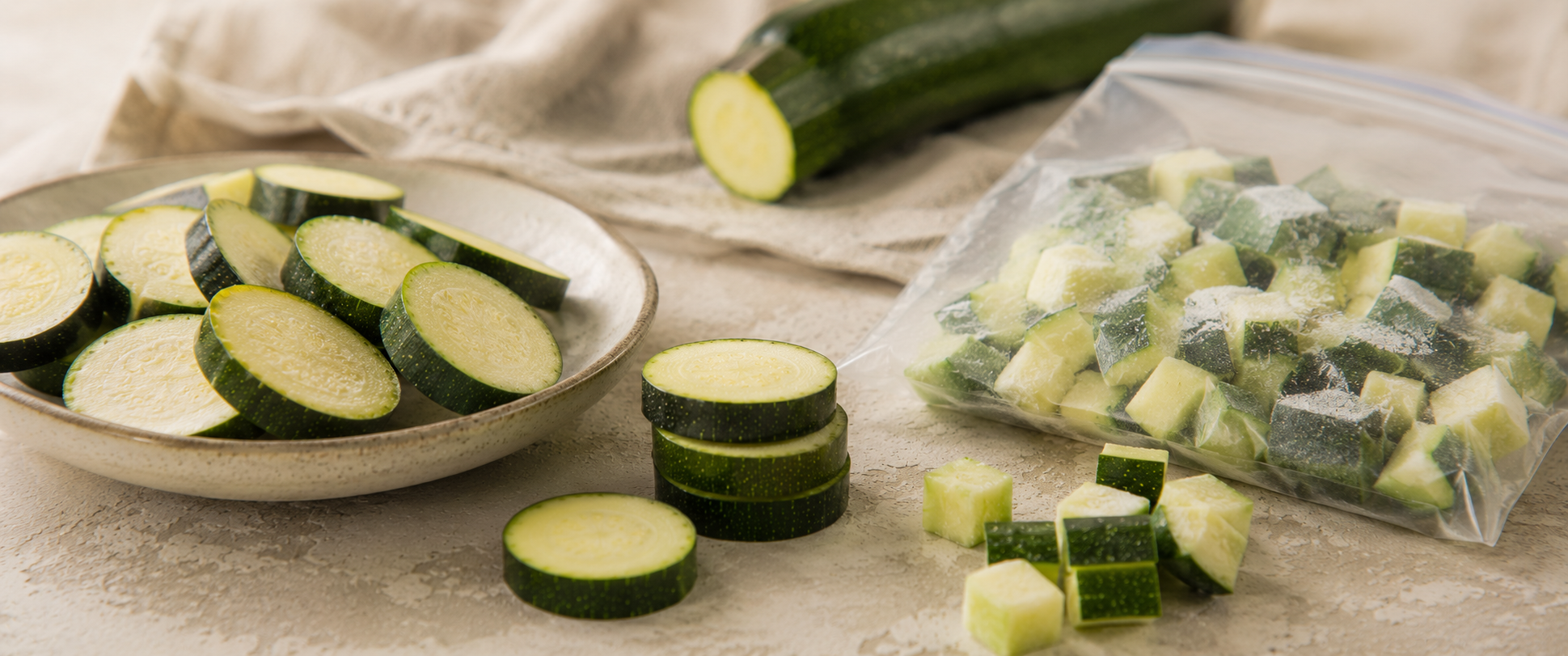
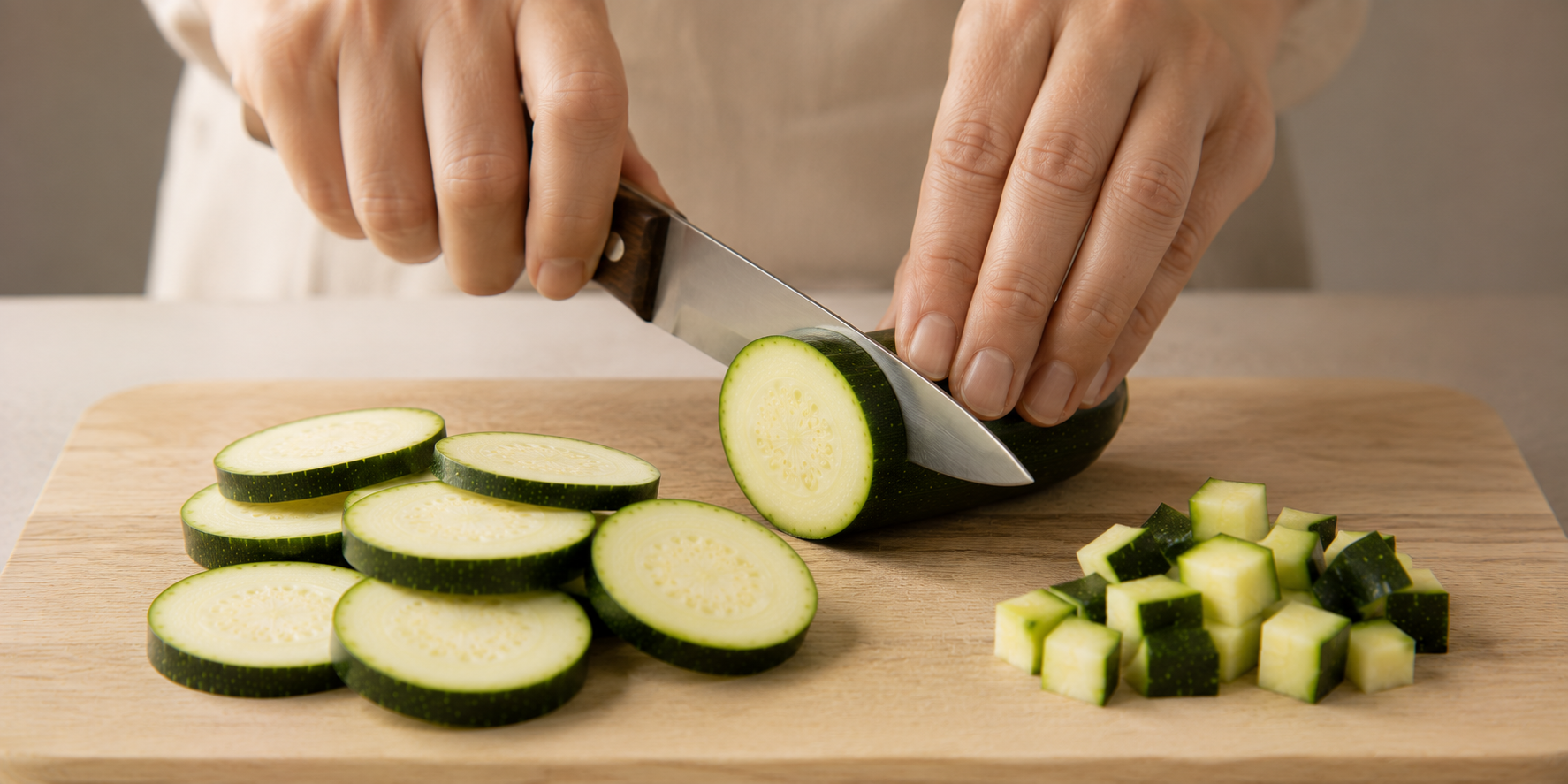
The cut should already match its intended later use: diced for sauces; sliced for pan dishes; half-moons for oven dishes; grated for batters. This lets you use the zucchini straight away later, with no extra effort.

Step 4

First pre-freeze, then package

If you first freeze the pieces individually on a board or tray, they won’t stick together later. This makes portioning and handling much easier, especially when you only need small amounts.

Step 5

Store airtight

Ideal options are vacuum-sealed bags, high-quality freezer containers, or sturdy glass containers. The less air reaches the zucchini, the better its flavor and texture are preserved.

Store zucchini in the refrigerator: Often that is already enough

Not every zucchini needs to be frozen right away. Fresh zucchini usually keeps in the fridge longer than many people think, provided it is stored properly.

How long does zucchini keep in the fridge?

Under good conditions:

  • around 5 to 7 days without any problems
  • sometimes even up to 2 weeks

Important: moderate cold, dry storage, and a little air circulation.

The best place for zucchini in the fridge

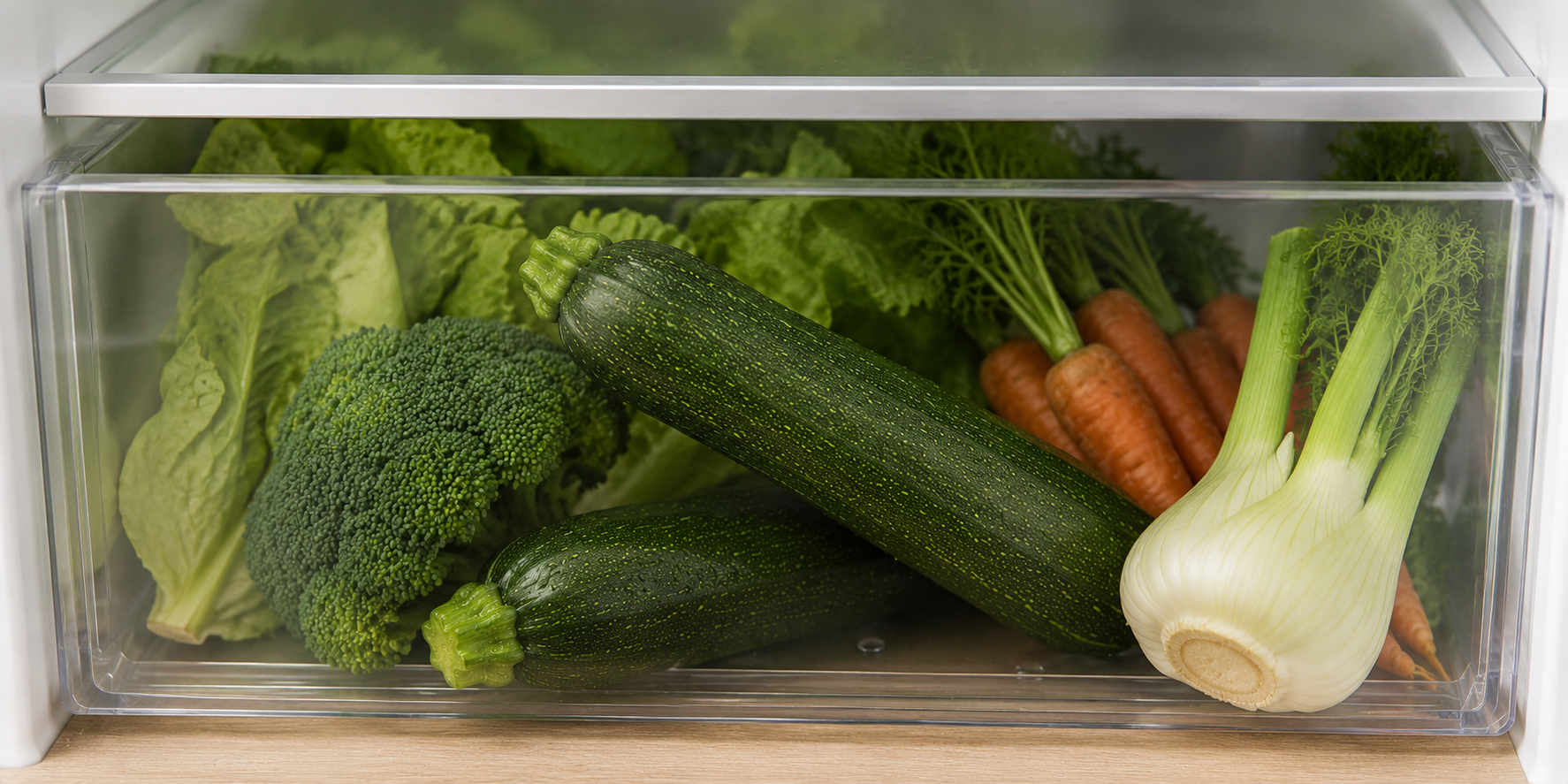
The vegetable drawer is ideal. The zucchini should not be packed completely airtight. Too much moisture speeds up soft spots and loss of quality. It is also best not to store them directly next to tomatoes, apples, or avocados, as these release ethylene and accelerate ripening.

Even small changes in temperature and humidity can make a surprising difference with zucchini.

Making Zucchini Last: When Pickling or Fermenting Makes Sense

Not every zucchini has to stay neutral. If you want the vegetable itself to develop more flavor, pickling or fermenting can also be a good option. Pickling creates a savory, Mediterranean flavor profile. Fermentation also adds:

  • a light tang
  • more depth
  • more complex flavors

However, both methods change the character of the zucchini much more noticeably than freezing - and are especially suitable when you deliberately want shelf life to create extra flavor.

More Inspiration, Tips & Moments

Real stories, authentic dishes. From simple everyday moments to special chef's highlights - get inspired by the cooking journeys and cooking tips.