Die Zucchini: From Variety Diversity to Perfect Texture

Zucchini (Cucurbita pepo var. giromontiina) is often unfairly underestimated in the kitchen as nothing more than a bland side dish. Yet this summer vegetable offers an enormous range of textures and flavours: from the first deliberate cut on the wooden board, where the density of the flesh becomes apparent, to the precise play with heat, it calls for culinary finesse. If you understand its variety and skillfully master its different textures, an apparently everyday vegetable becomes a multi-faceted main component on the plate.

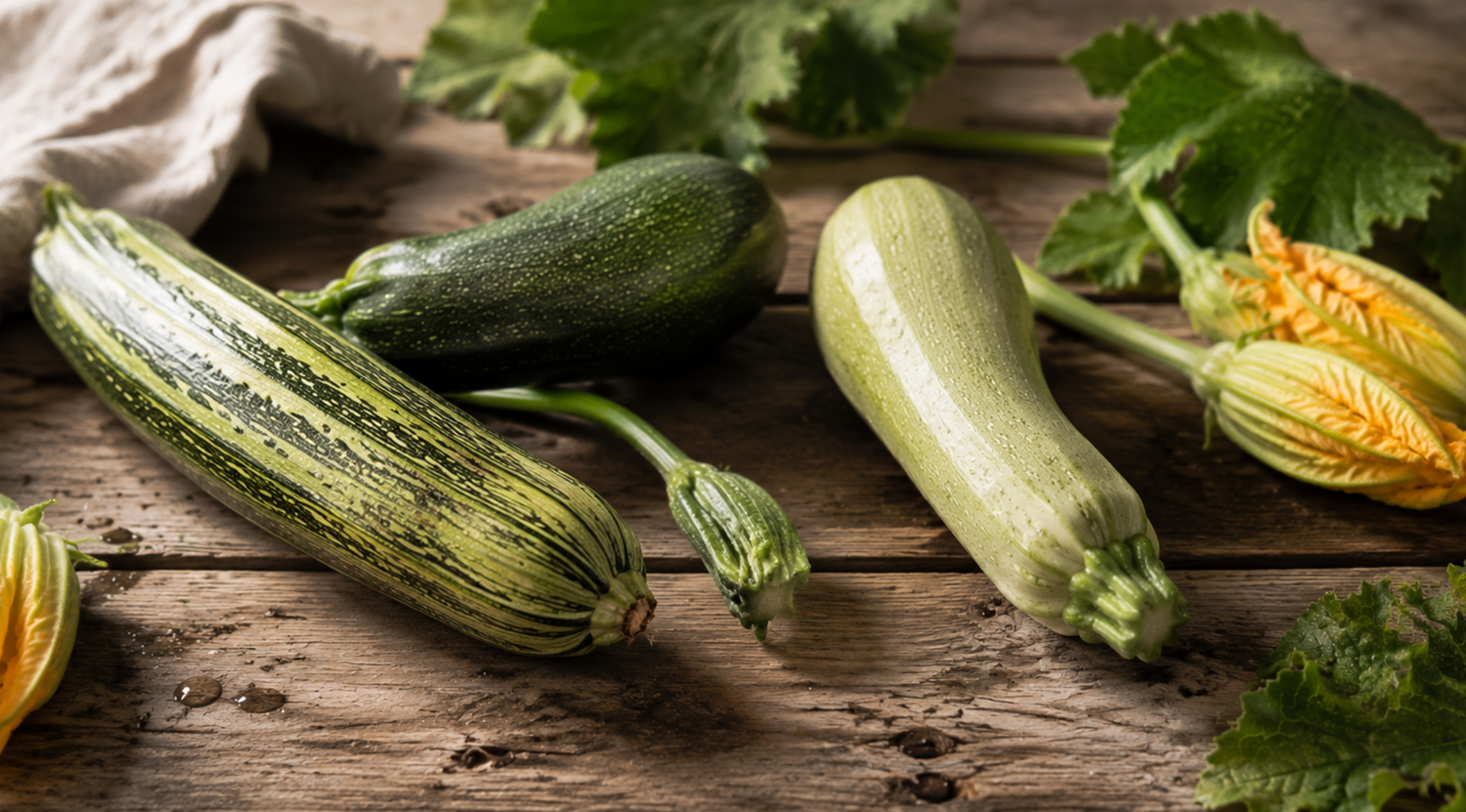
Varieties: yellow, round and white zucchini in fine dining

You know the classic dark green zucchini from the supermarket. But if you want to take your dishes to a whole new culinary level, it’s worth exploring the nuances of rarer varieties. Every shape and color brings its own qualities in texture and flavor

Yellow Zucchini – Nutty Color Play

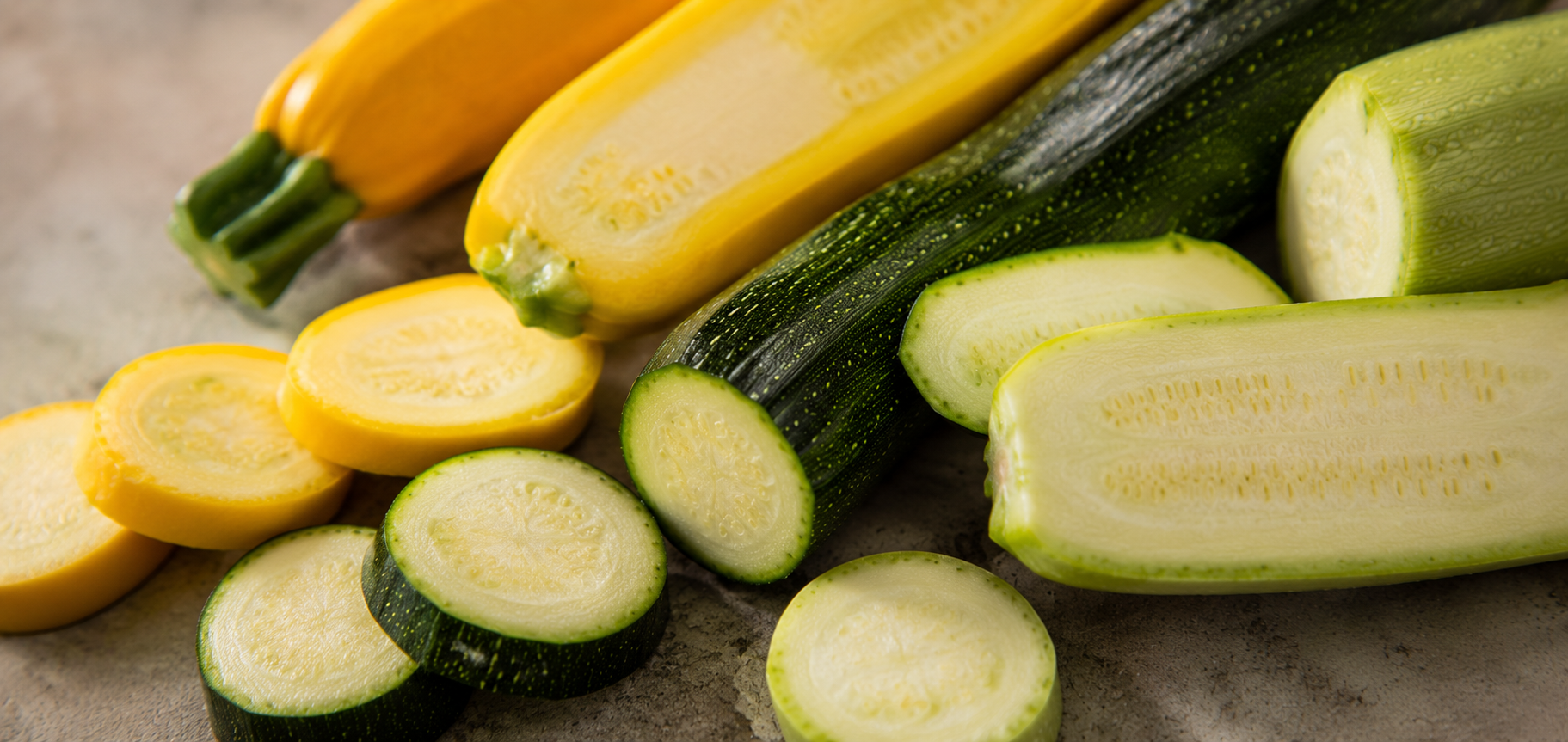
Character: It stands out not only for its bright saffron yellow color, but also for its noticeably sweeter, slightly nutty flavor.

In your kitchen: Its flesh is denser and firmer than that of its green relatives. Slice the yellow zucchini paper-thin on a mandoline for a vibrant carpaccio, or sauté it for just a few seconds so the color shines and the bite stays crisp.

Round Zucchini – The Perfect Shape

Character: Varieties like the French “Ronde de Nice” bring wonderful visual symmetry to the plate.

In your kitchen: The firm shell practically calls out for an elegant stuffing. Carefully hollow out the round zucchini and fill it with finely chopped veal, wild-caught shrimp, or creamy ricotta. Braised in the oven, it holds its shape perfectly and becomes the architectural highlight of your menu.

White Zucchini – The Velvety Elegance

The character: A rarity with pale green, almost white skin. It is the gentlest member of the family, exceptionally delicate and nobly creamy.

In your kitchen: Because the skin is wafer-thin, the white zucchini practically melts away when heated. It is your ideal base for velvety veloutés, fine purées, or as an exceptionally gently steamed side that elegantly complements the natural flavor of white fish or scallops.

Zucchini Blossoms – The Culinary Highlight

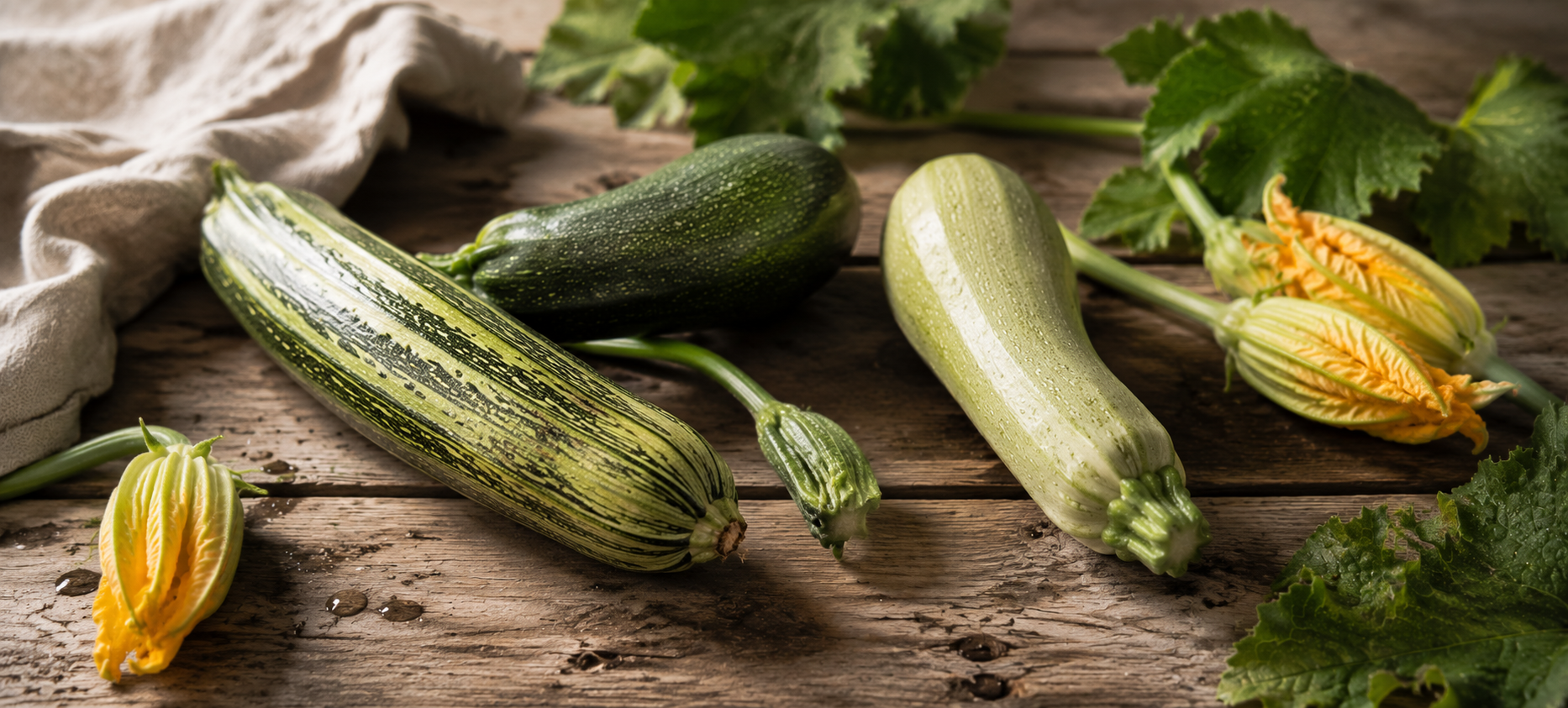
Character: A premium, ultra-delicate rarity of summer cooking. The wafer-thin, intensely yellow petals bring a subtly floral, elegant note and pure aesthetics to the plate. In your kitchen: A distinction is made between male blossoms (on the long stem) and female blossoms (on the mini fruit). It's best to prepare the zucchini blossoms on the day you buy them: Carefully remove the inner pistil, fill them with a light goat's cream cheese mousse, and fry them in an ultra-thin tempura batter until crisp and delicate.

Culinary Profile: Your sensory guide

Yellow zucchini

Firm, crisp, dense

Sweet and nutty, present

Round zucchini

Shape-retaining, fleshy

Mild, balanced

White Zucchini

Tender, melt-in-the-mouth

Extremely fine, remig

Zucchini Blossoms

Delicately bitter, subtly floral

Wafer-thin, delicately crisp

eat zucchini raw

Have you ever wondered: Can you eat zucchini raw? Absolutely. If you want to showcase freshness and pure texture, eating it raw is a fantastic tool in creative cooking.

  • The selection: Choose young, small ones on purpose. The larger the vegetable gets, the more water it stores in the core and the more it loses its crunch. Small zucchini are dense, aromatic, and have wonderfully firm flesh.
  • The skin: The skin defines the mouthfeel. In yellow and white varieties, it is so delicate that it gives the raw dish structure without being overpowering. For an exquisite raw-food experience, cut it into the finest julienne strips or paper-thin slices. If you want to eat zucchini raw, it is best to balance it with a high-quality olive oil, a little fleur de sel, and a squeeze of fresh lemon.

Safety Check: The Scientific Background to Bitter Substances

Good cooking also relies on understanding food biology. In most vegetables, we appreciate bitter notes as a complex layer of flavour. With courgettes, it is different: here, bitterness is not a flavour but a biological warning.

Why does a courgette become bitter and toxic? Cucurbitacins are responsible. These are bitter toxins that plants from the gourd family naturally produce. These substances have long since been bred out of our cultivated plants. Under two conditions, however, they can be reactivated:

heat stress

Extreme drought and persistently high temperatures stress the plant so severely that it switches into evolutionary defense mode.

Backcrossing in the garden

If you grow your own and the zucchini grows right next to ornamental gourds, bees cross-pollinate the plants. The fruit of the next generation is then often inedible.

How can you tell if a zucchini is poisonous? 

You can’t tell by looking at it. The only way is a sensory test: before preparation, cut off a tiny piece from the stem end and place it on your tongue. If the zucchini tastes bitter, spit it out immediately. The vegetable is toxic and must be discarded. Cooking, frying, or baking does not destroy the toxin.

The quality feature: What does powdery mildew on the zucchini mean?

Powdery mildew on a zucchini (true powdery mildew) is a fungal infection that primarily appears as a white coating on the plant’s leaves. What matters for you as a cook is this: this fungus only affects the leaves.

  • The effect on the product: It does not spread to the fruit. As long as the zucchini itself is firm, has glossy skin, and passes the bitterness taste test described above, it is perfectly fine from a culinary point of view.
  • Culinary tip: Don’t let growers at the market put you off. A zucchini from a plant with a mild powdery mildew infection often tastes more aromatic, as the plant produces fewer fruits under stress, but with more intense flavor.

Discover more cooking tips & moments

Real stories, authentic dishes. From simple everyday moments to special chef’s highlights - let the Cooking Journeys and cooking tips inspire you.