Pastinaken: Das aromatische Wurzelgemüse mit feiner Süße und überraschender Tiefe

Parsnips: the aromatic root vegetable with subtle sweetness and surprising depth

The best things take a little time. Some vegetables make an impression right away. And then there are parsnips.

At first glance, the cream-colored root looks almost unassuming. Its true character only shows itself where good cooking begins: in the right preparation. When roasted, its natural sweetness comes through, delicate roasted aromas develop, and a firm tuber turns into a vegetable with remarkable depth and an almost creamy texture.

That is exactly where its special strength lies. Parsnips need no unusual ingredients and no elaborate techniques. A high-quality olive oil, a little butter, or a sprig of thyme is often enough to bring out their full aroma.

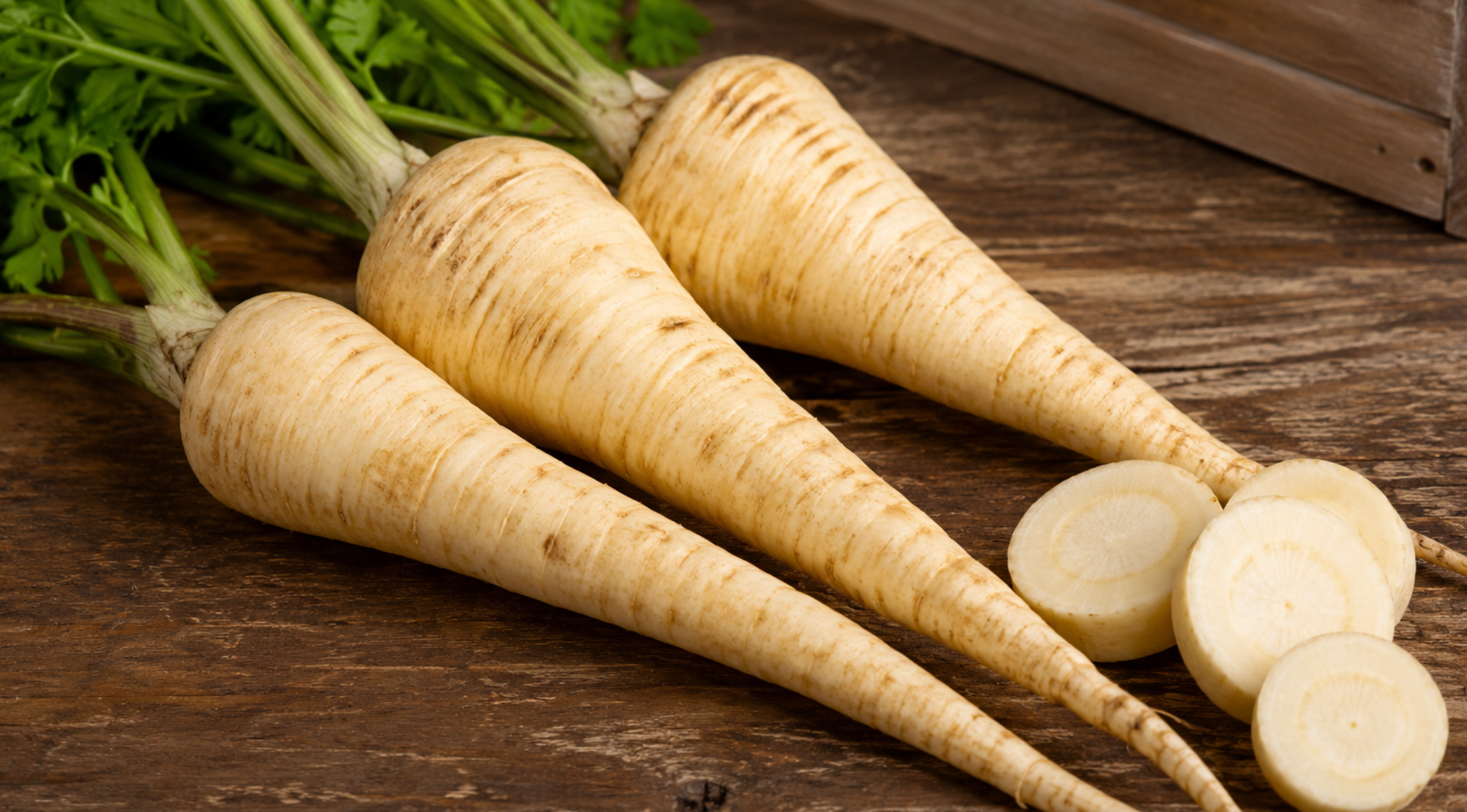
Three whole parsnips with leafy tops, freshly washed, are arranged on a wooden surface next to several precise parsnip slices—capturing natural ingredients ready for preparation with Fissler’s expertly engineered cookware.

Parsnip: A Root with Character

Parsnips (Pastinaca sativa) belong to the umbellifer family and are closely related to carrots and parsley root. They have grown in European fields for centuries and are once again among the most popular local winter vegetables today.

What makes them special is less their origin than their character. The parsnip combines natural sweetness with delicate spicy and nutty notes—an aroma profile that can be used in surprisingly versatile ways.

Whether as roasted vegetables, purée, or part of a refined menu: it does not simply blend into a dish, but gives it balance.

Parsnips at a glance

Botanical name

Pastinaca sativa

Plant family

Umbellifers

Season

October to March

Edible raw

Yes

Taste

Sweet, lightly spicy, and subtly nutty

Usage

Roasting, Cooking, Puréeing, Raw food

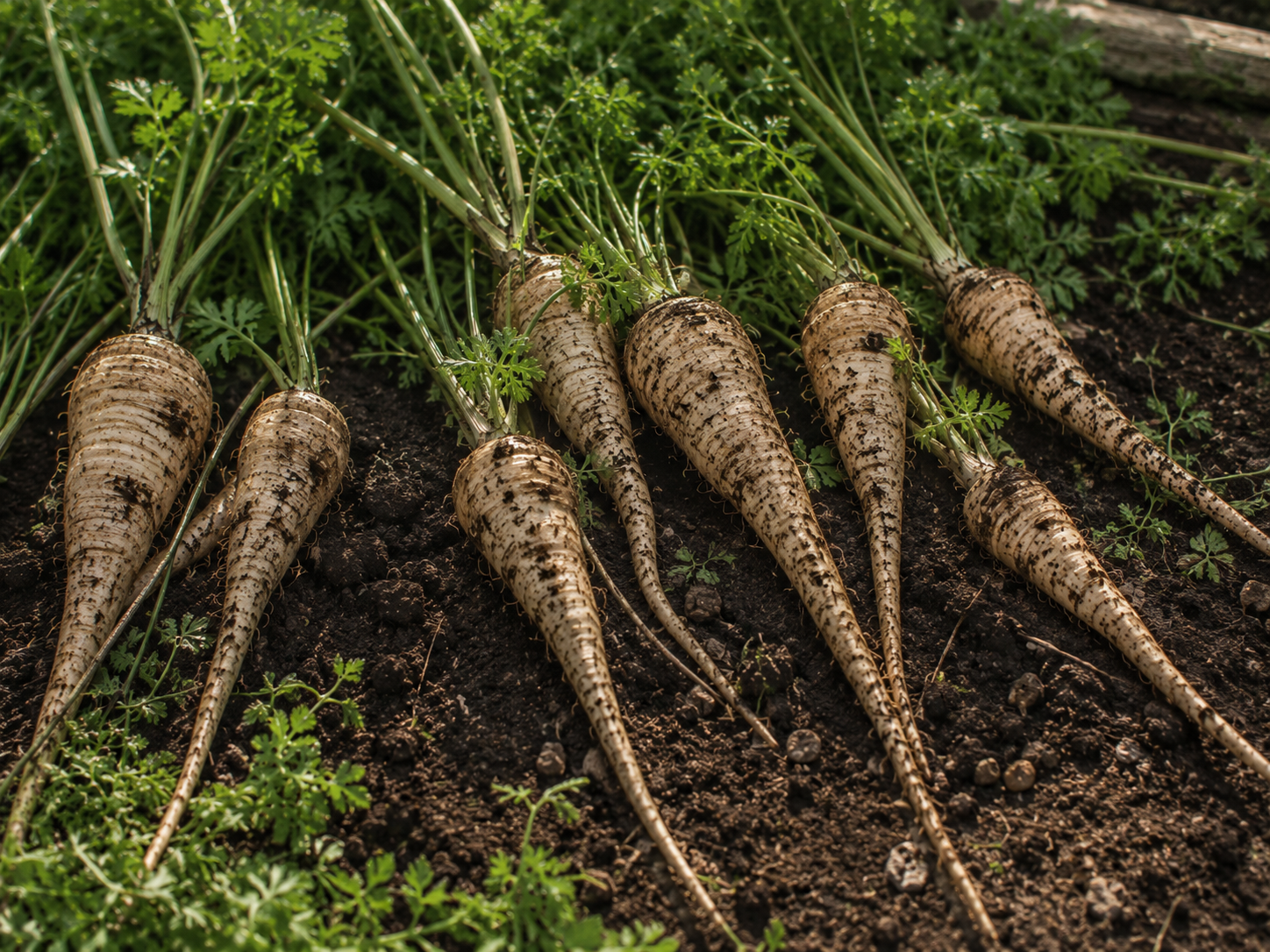
Eight freshly harvested parsnips with vibrant green tops rest on rich, dark soil, their natural earthiness highlighted among surrounding parsnip leaves and plants—a scene evoking the same commitment to quality ingredients and precision that inspires Fissler’s expertly engineered cookware collections.

Plain in appearance. Distinctive in taste.

People seeing parsnips for the first time often mistake them for parsley roots. Both have a pale skin and a similar shape. But by the first bite at the latest, it becomes clear that they take very different culinary paths.

The parsnip is usually a little sturdier in shape, its skin has a warm cream tone, and the upper part of the root is noticeably broader. In the past, it was also known as Hammelmoehre – a historical name that is rarely used today.

Color

Cream

Pure white

Roots

Wide roots

Sleeker roots

Taste

Mild, sweet, and nutty

Richly spices

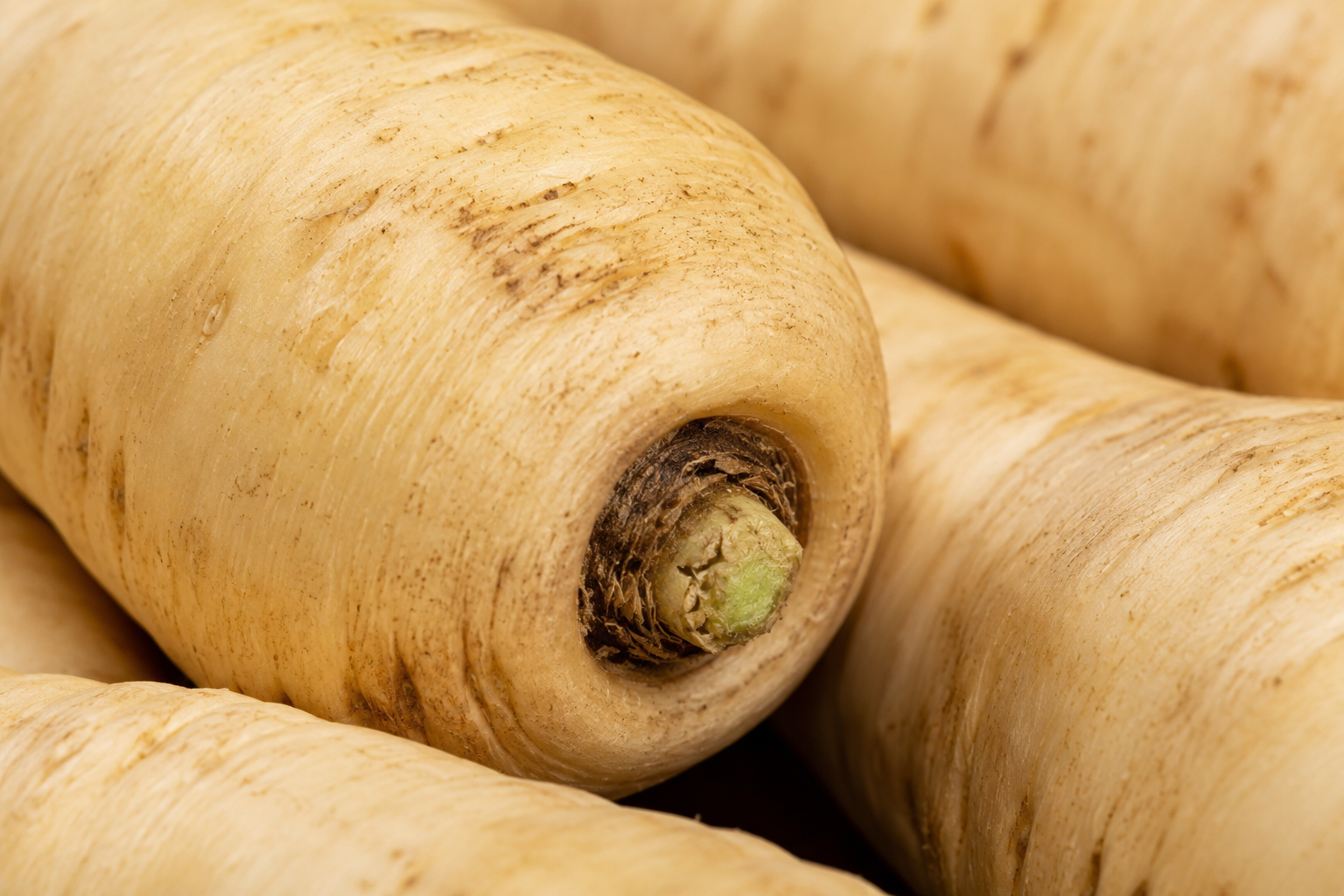
Close-up of several pale, cream-colored parsnips with visible root ends and textured skin, freshly prepared in a precision-engineered Fissler stainless steel pan. The image showcases the natural details and slight imperfections of the vegetables, emphasizing quality ingredients for exceptional cooking results with Fissler cookware.

This is what parsnip tastes like: sweet, spicy, and delicately nutty

Parsnips are all about balance. Their sweetness is reminiscent of carrots, yet noticeably more restrained. Added to that are subtle spicy notes and a delicate nuttiness that give them character without ever becoming overpowering.

This very balance is what makes parsnips so versatile. They pair just as naturally with bold ingredients as they do with delicate flavors, bringing both together into a harmonious whole.

But their true potential only unfolds with heat. When roasted, something fascinating happens: the root’s natural sugars slowly caramelize on the surface. At the same time, the flesh develops a soft, almost creamy texture. What once tasted fresh and restrained gains depth and develops delicate roasted notes reminiscent of toasted nuts.

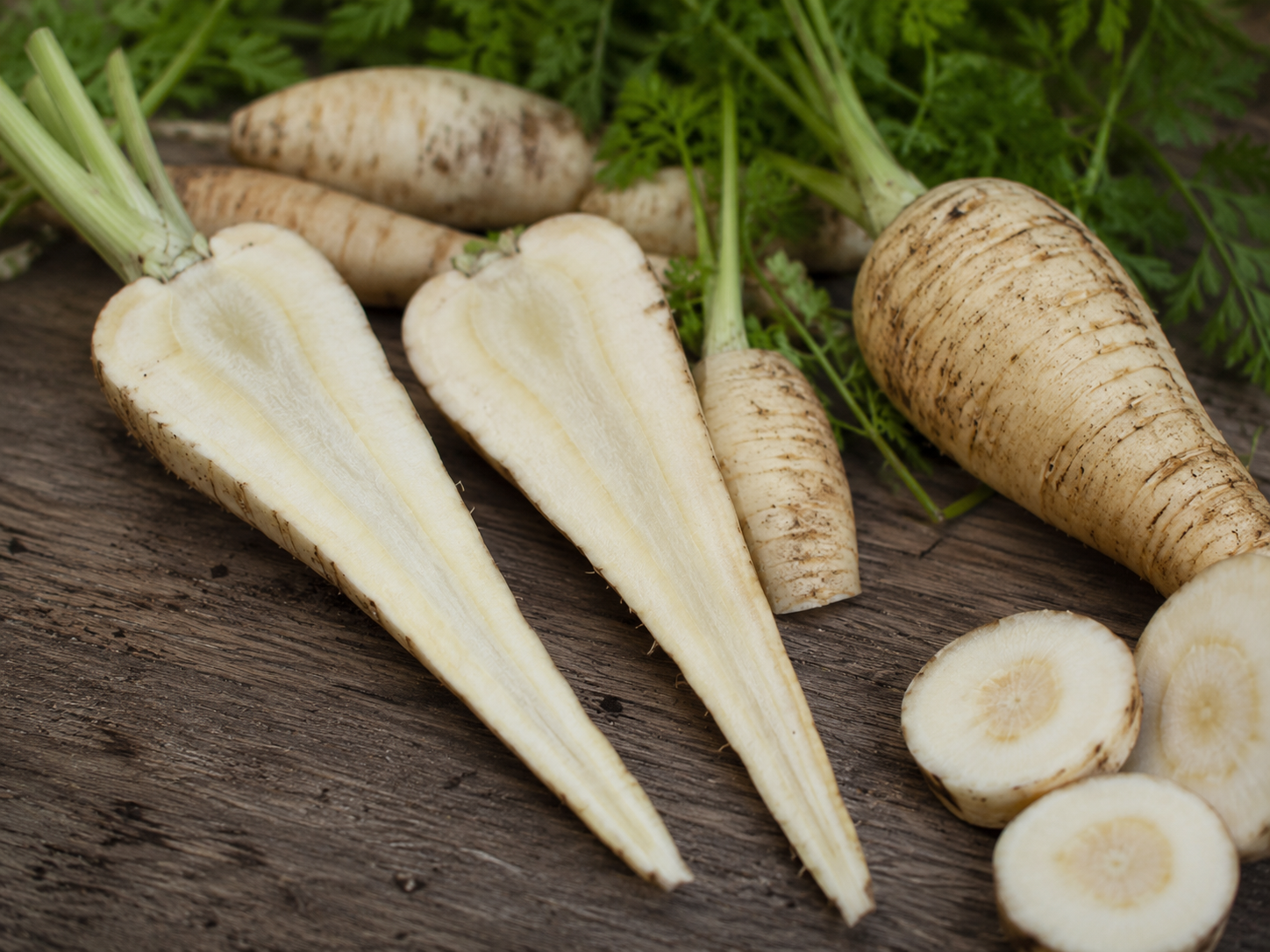
Several fresh parsnips with green tops rest on a wooden surface, beautifully displayed alongside precision-cut round slices and a halved parsnip showcasing its inner texture—an inviting scene for preparing quality ingredients with Fissler’s expertly crafted cookware.

Surprisingly raw. Unmistakable when cooked.

Can you eat parsnips raw? Yes. And it’s absolutely worth it.

Raw, parsnips have a completely different character than when cooked. Their sweetness fades into the background, while
their savory and slightly peppery notes come through much more clearly. The texture stays firm and crunchy – ideal for salads or finely
shaved vegetable carpaccios.

Thinly peeled parsnip shavings are artfully scattered on a wooden surface, accompanied by a Fissler precision-engineered vegetable peeler and an unpeeled parsnip in the background—showcasing exceptional German craftsmanship and timeless design.

It pairs especially well with ingredients that
highlight its freshness:

  • Apple or pear
  • Walnuts
  • Goat cheese
  • Lemon dressing
  • Yogurt

If you’ve only ever had parsnips cooked, eating them raw reveals a surprisingly new side to this root vegetable.

Great taste that offers more: nutritional values and ingredients

Parsnips impress with more than just their aroma. They also offer a balanced combination of fiber,
vitamins, and minerals.

But the focus here is not on nutritional value - it is on the quality of the ingredient. Because great vegetables do not need superfood promises. They win you over with flavor, seasonality, and the ability to bring something special to your plate with just a few simple steps.

The most important nutrients in parsnips include:

  • Fiber
  • Potassium
  • Vitamin C
  • Folic acid

Their natural carbohydrate content is no disadvantage either. On the contrary: it contributes significantly to their balanced
flavor and ensures that, when roasted, those delicate caramel notes develop for which parsnips are so
prized.

Nutrition at a glance

Depending on the variety, growing region, and harvest time, the values may vary slightly. On average, 100 grams of fresh parsnips contain:

Energy

approx. 75 kcal

Carbohydrates

approx. 18 g

Protein

approx. 1.2 g

Fat

approx. 0,3 g

Fiber

approx. 4.9 g

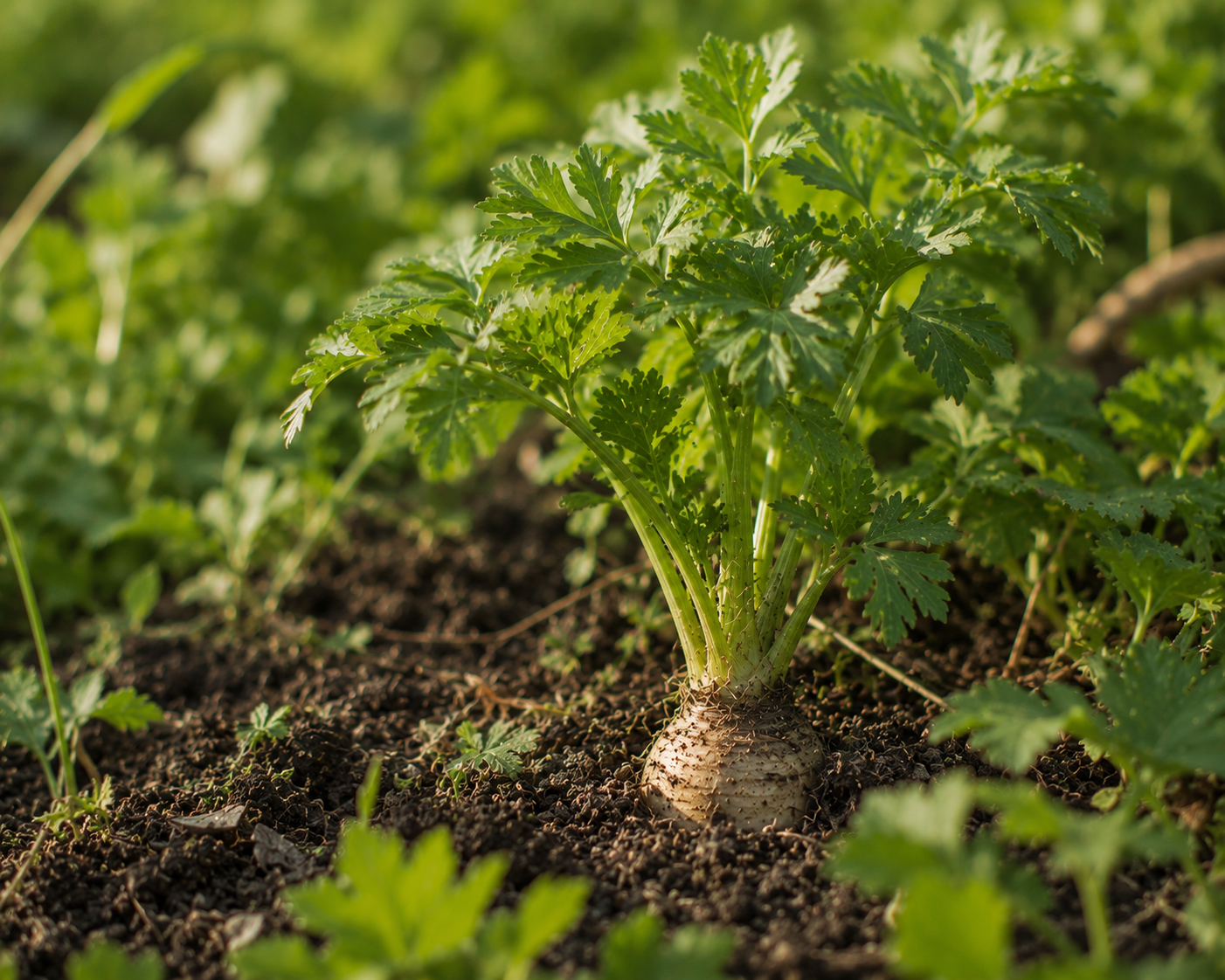
A close-up of a single parsnip plant growing in rich soil, its fresh green leaves and creamy root partially visible above the ground, surrounded by vibrant greenery—capturing the essence of natural ingredients ideal for preparing with Fissler’s precision-engineered stainless steel cookware.

More than just the root: Parsnip leaves

Parsnips are usually prized for their root. But their leaves deserve attention too.

Young parsnip leaves are edible and taste like a mix of parsley and celery. Finely chopped, they add a pleasantly savory note to herb oils, pesto, or vegetable broth. As with many herbs, the same applies here: used sparingly, they bring out their best aroma.

Caution with wild parsnips

At first glance, wild parsnip and cultivated parsnip are hardly distinguishable. In fact, however, they differ in their ingredients. The plant sap of wild parsnips can cause skin irritation when combined with sunlight. Therefore: only collect wild plants if they can be clearly identified.

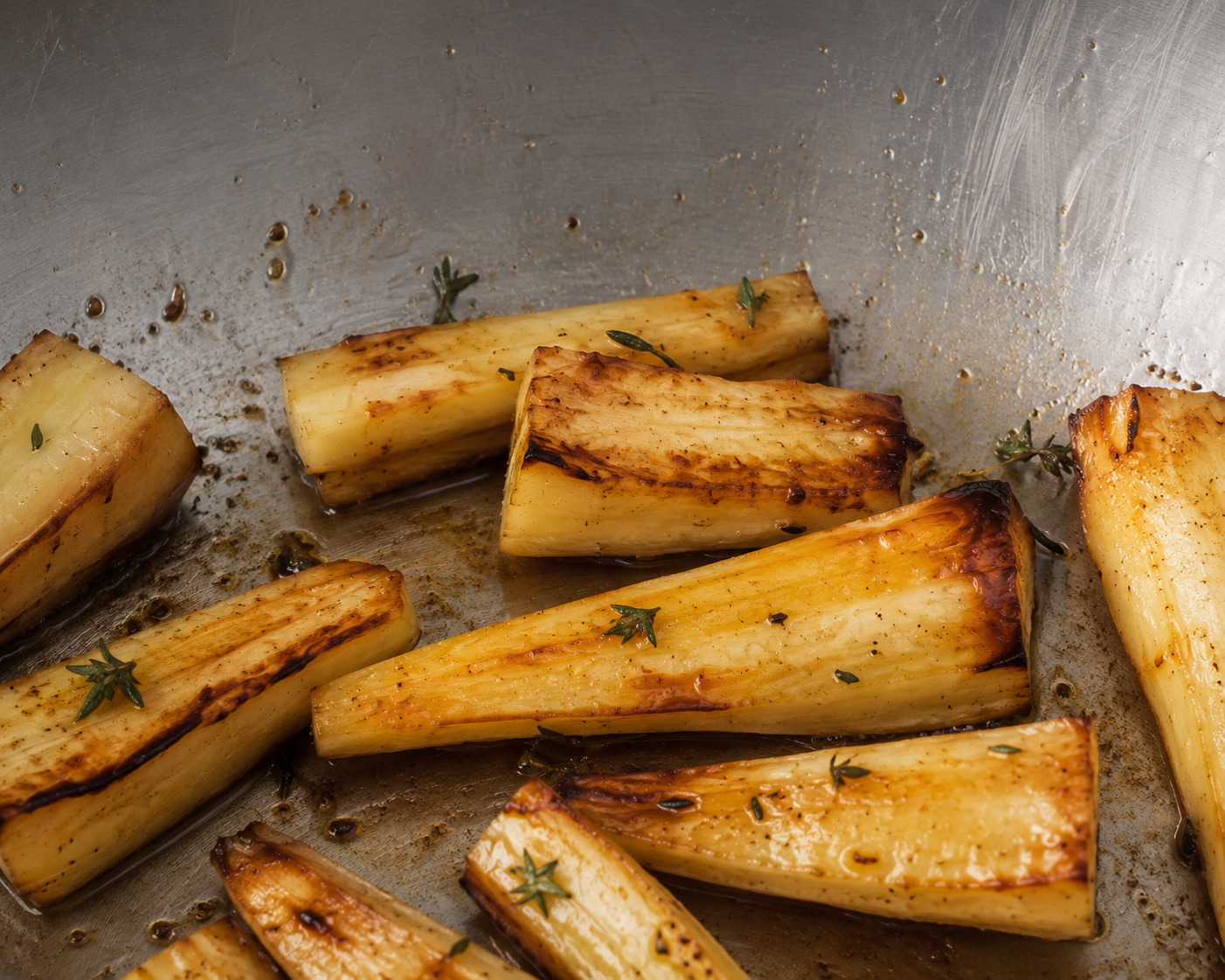
Golden roasted parsnip wedges with caramelized edges and fresh thyme, presented in a premium Fissler stainless steel pan. The vegetables glisten with oil and natural juices, reflecting the pan’s precision engineering, durability, and timeless German design.

Where parsnip reaches its full potential

A good parsnip doesn’t need a long list of ingredients. Above all, it needs the right preparation.

While it stays pleasantly mild when boiled, it reveals its full character when roasted. The natural sugars
caramelize on the surface, delicate roasted aromas develop, and the flesh takes on a tender, almost creamy texture. It’s exactly this balance of sweetness, depth of flavor, and texture that makes the parsnip one of the most versatile roots in seasonal cooking.

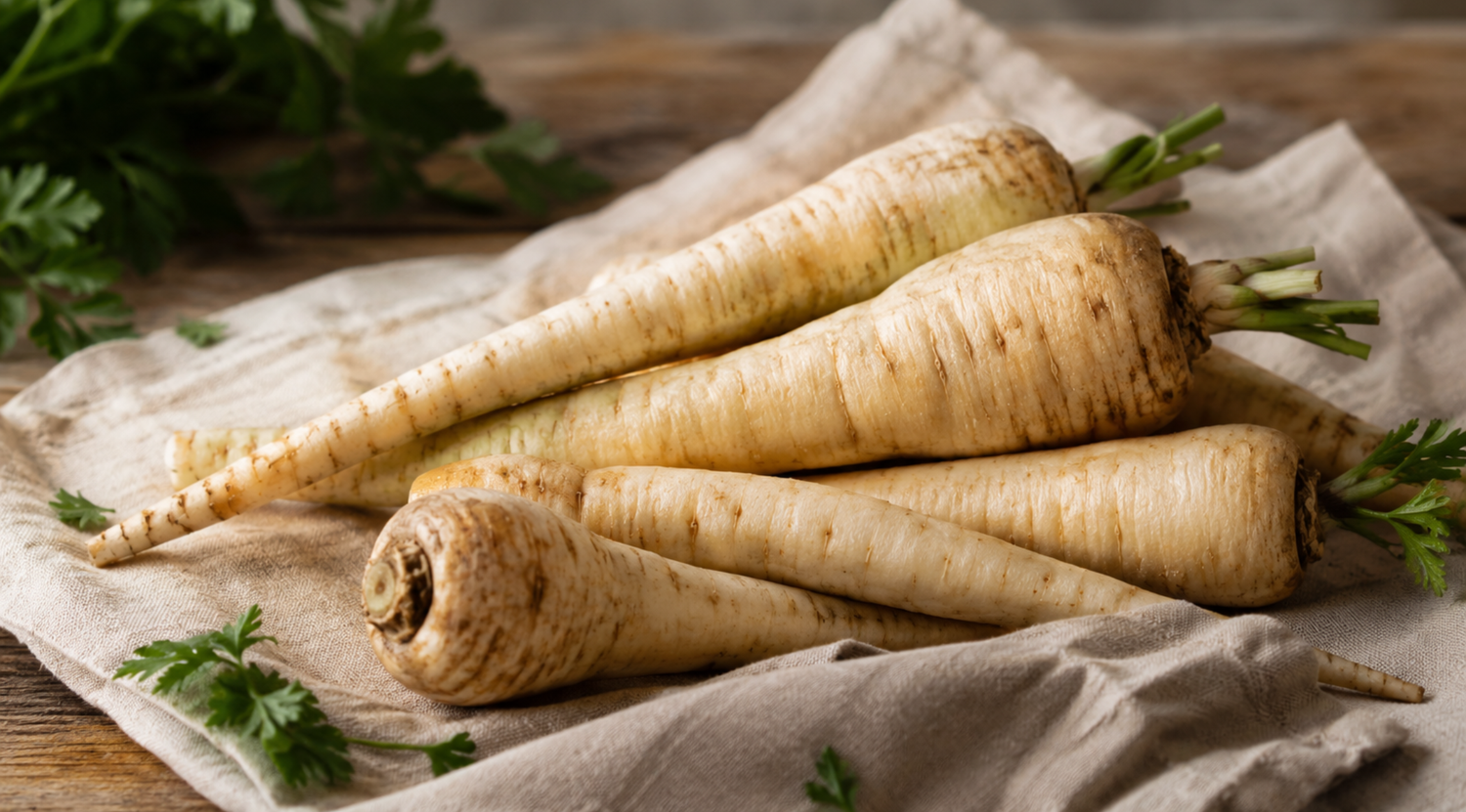
Fresh parsnips with light brown skin and green tops are arranged on a beige cloth, accented by parsley leaves on a rustic wooden surface. The scene highlights Fissler’s commitment to quality ingredients and craftsmanship—perfectly complementing our precision-engineered stainless steel cookware designed for timeless culinary excellence.

It pairs especially harmoniously with ingredients that
highlight its natural aroma rather than overpower it. It goes
perfectly with:

  • brown butter
  • thyme or sage
  • hazelnuts and walnuts
  • mushrooms
  • game and poultry
  • aged hard cheese

Surprisingly little is needed. The higher the quality of the ingredients, the more clearly the parsnip shows how much flavor a single root can hold.

Discover more cooking tips & moments

Real stories, authentic dishes. From simple everyday moments to special chef’s highlights - get inspired by the cooking journeys and cooking tips.