Chanterelle Guide: From the First Brushstroke to the Perfect Bite

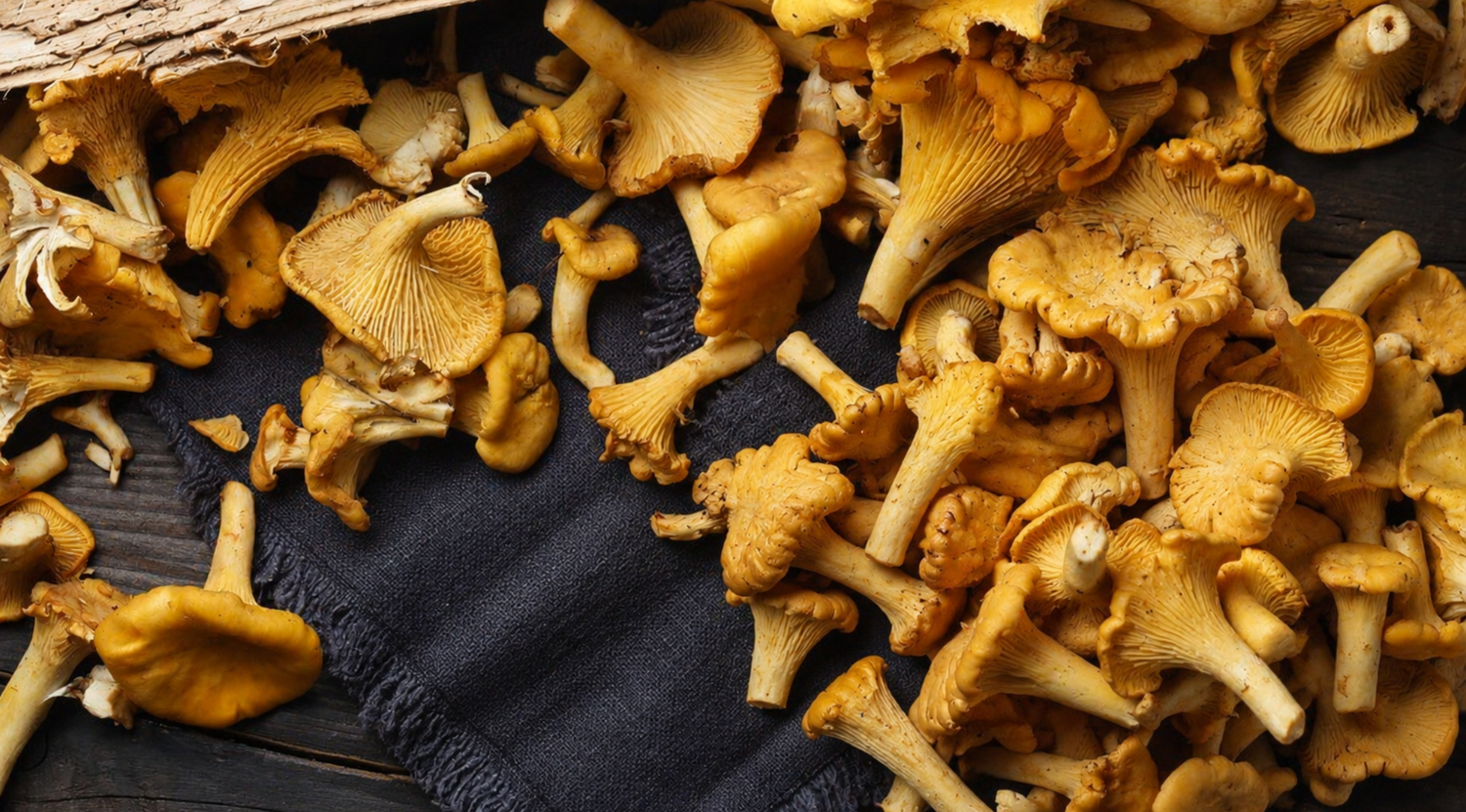
Whether it’s a quick dinner or a special summer dish: chanterelles bring something special to your kitchen. Their scent recalls damp forest floor, their golden color warm late-summer evenings. And that’s exactly why a good chanterelle dish doesn’t start in the pan, but with the very first step. 

Every step changes the result. Every decision influences aroma, texture, and depth. Because chanterelles don’t call for complicated cooking — just attention to the right moment.

The preparation: Why good cleaning makes all the difference

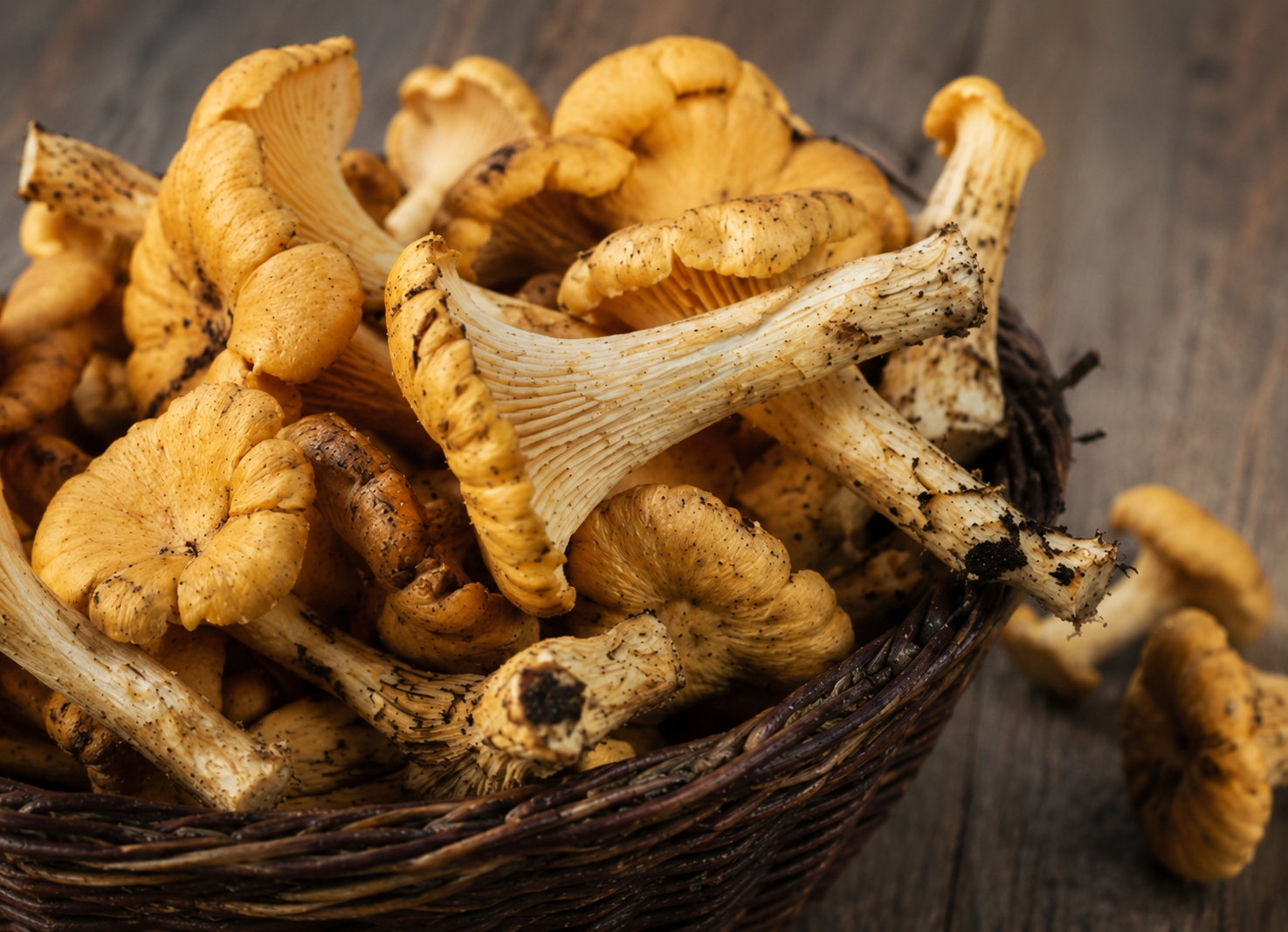
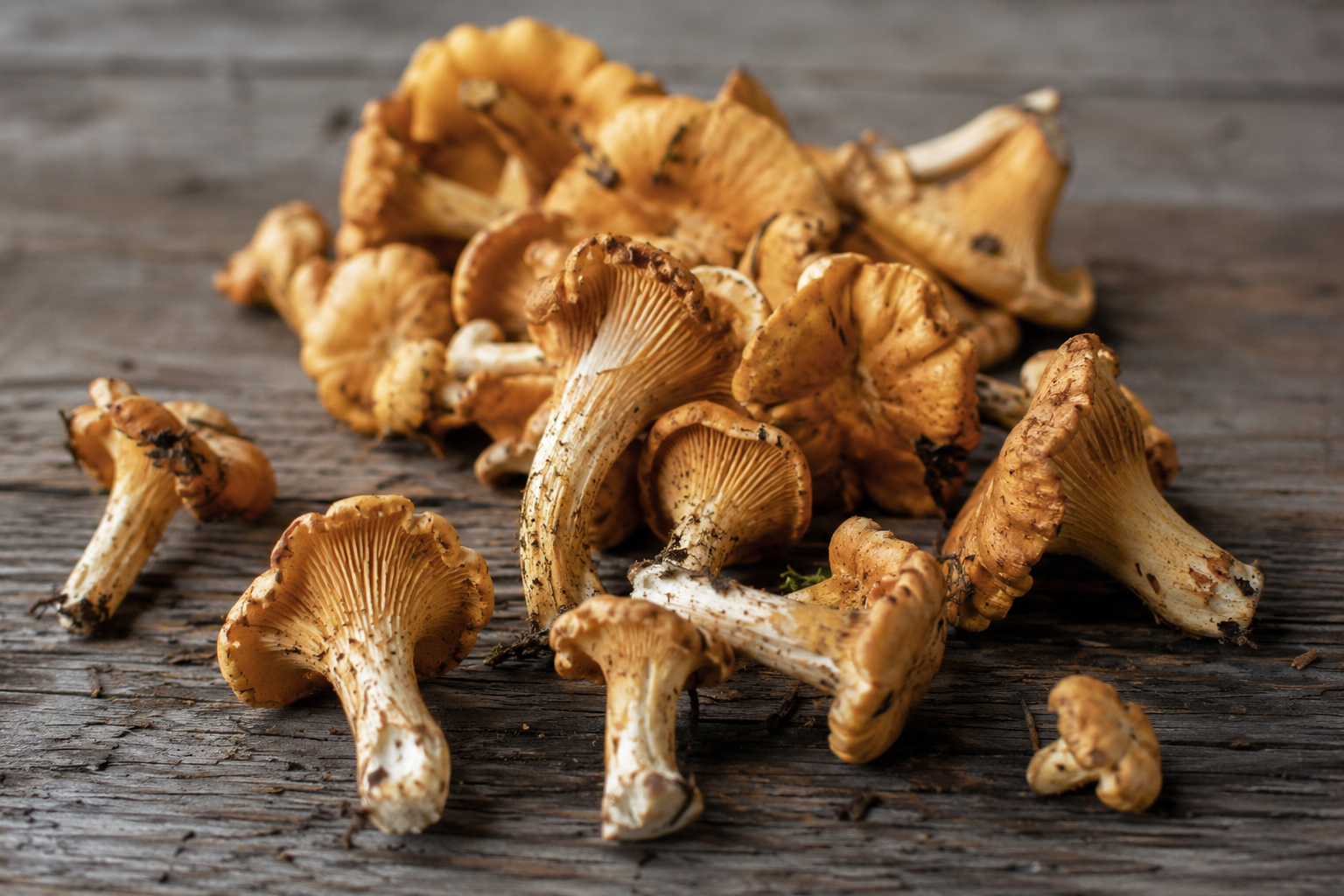
Long before heat comes into play, the real work with the product begins. You take the mushrooms in your hand, feel their firm texture, and see the delicate gills where soil and bits of forest often still cling. Cleaning chanterelles does not just mean removing dirt. It means preserving their character.

A small brush, kitchen paper, or a soft cloth is usually enough. You remove only what gets in the way – not what makes the mushroom what it is. The surface stays dry, the texture firm. That is exactly what later creates roasted aromas and a pleasant bite.

Wash chanterelles—or better not?

The answer lies in how well you understand the product. Chanterelles are sensitive to too much moisture. Water quickly gets into their delicate structure and changes the texture. That is why the rule is: work as dry as possible.

And yet there are times when you can wash chanterelles. When sand is deeply lodged in the gills or dry cleaning is no longer enough.

Then precision matters:

  • rinse briefly under cold water only
  • alternatively, gently swirl them in flour water
  • pat thoroughly dry immediately afterwards

Because the drier the mushrooms are when they go into the pan, the more intensely their flavour and colour will develop later.

Sauté chanterelles: The moment when flavour emerges

Now everything changes. The raw mushroom turns into roasted aroma, depth, and warmth. You hear the first sizzle in the pan, see the moisture evaporate, and watch the golden surface slowly deepen in color.

Frying chanterelles is a game of temperature and timing.

Too little heat - and the mushrooms simmer in their own juices. Pans that are too crowded - and the texture turns soft instead of firm to the bite. That’s why great results often come down to reduction: fewer mushrooms at a time, more room for heat.


What matters when frying

Tip 1

Use high heat

Liquid evaporates

Tip 2

Choose a large pan

The mushrooms brown evenly

Tip 3

Work in batches

The temperature remains stable

Tip 4

Season with salt only at the end

The structure remains in place

Tip 5

Add the butter later

The roasted aromas remain clear

Preparing Chanterelles: Naturally Intense in Flavour

Chanterelles already bring a lot to the table. Their savory aroma, firm texture, and delicate, slightly peppery note often mean that just a few ingredients are enough to create a well-balanced dish

Chanterelles are especially harmonious when paired with:

  • creamy risotto or fresh pasta
  • crispy fried potatoes
  • toasted bread or an omelet
  • delicate cream sauces
  • fresh herbs such as parsley or thyme

To keep their aroma center stage, it pays to be thoughtful with spices and side dishes:

  • Shallots add mild sweetness and depth
  • Lemon zest brings freshness and contrast
  • Butter softly rounds off the roasted aromas
  • Herbs give the dish a light touch

Shelf life and storage: Preserving freshness

Chanterelles are delicate. That is exactly why storage determines how much of their aroma is preserved.

  • They are best kept cool and airy, wrapped in paper or in an open bowl in the refrigerator. Plastic, on the other hand, traps moisture - and quickly takes away the mushrooms’ firm texture.
  • Ideally, chanterelles should be used within one to two days. That is when their flavor is at its most intense.


Can you freeze chanterelles?

Yes, you can freeze chanterelles. The key is how.

Mushrooms frozen raw often lose flavor and can turn bitter. It works much better if you prepare them briefly beforehand.

How to preserve flavor and texture

This keeps their texture, color, and aroma much more stable. Later, when cooking, the mushrooms can usually be used straight from frozen.

  1. Clean the chanterelles thoroughly
  2. Blanch briefly or dry-fry them
  3. Let them cool completely
  4. Freeze airtight

Discover more cooking tips & Fissler moments

Real stories, authentic dishes. From simple everyday moments to special chef’s highlights - let the Cooking Journeys and cooking tips inspire you.